

Shi Gao Tang (Gypsum Decoction)
Shi Gao Tang
Gypsum Decoction
- Category
- Formulas that Release the Exterior
- Subcategory
- Formulas that Release Exterior-Interior Excess
- Ingredients
- 7 herbs
Actions
What does Shi Gao Tang do?
Shi Gao Tang simultaneously releases a lingering exterior and clears fire toxin blazing through all three burners. It answers a specific clinical problem: a febrile illness where the surface has never fully released and heat has poured inward and turned toxic, so a two-pronged strategy (open the exterior + drain interior fire) is needed at once rather than in sequence.
The seven ingredients divide by role:
- Chief: Shi Gao (Gypsum) — powerfully cold and pungent, it drains fierce heat from the Lung and Stomach and anchors the formula's cooling action.
- Deputies: Ma Huang and Dan Dou Chi open the pores and vent the still-unresolved exterior, giving heat toxin an outward exit alongside the interior-draining herbs.
- Assistants: Huang Lian, Huang Qin, Huang Bai, and Zhi Zi — together the classical formula Huang Lian Jie Du Tang — drain fire toxin from the upper, middle, and lower burners respectively and calm the vexation/insomnia that toxic heat produces.
Source: this site’s own composition record + role analysis cross-referenced against multiple online sources (chief/deputy/assistant division agrees across both). Traditional-use framing; not medical advice.
Indications
What is Shi Gao Tang used for?
Shi Gao Tang treats an unresolved exterior with interior fire toxin — the presentation seen several days into a febrile epidemic-type illness (伤寒/温病-type disease) when surface symptoms persist while heat has simultaneously turned toxic internally and begun to injure fluids and disturb the spirit.
Its classic clinical presentation:
- Unreleased exterior: strong fever and chills with no sweating, headache, and a heavy, aching body.
- Interior fire toxin (three-burner): red face and eyes, dry nasal passages, thirst, irritability, and insomnia.
- Advanced/severe cases: may progress to delirious speech, nosebleed, coughing blood, or skin macules as heat toxin forces its way into the blood level.
Source text: Wai Tai Mi Yao (外台秘要, "Arcane Essentials from the Imperial Library"), compiled by Wang Tao in 752 CE, citing an earlier formula from Shen Shi Fang.
Source: this site’s own composition record + Wai Tai Mi Yao attribution and indication summary, cross-referenced against multiple online sources (independently consistent). Traditional-use framing; not medical advice.
Western Uses:
What is Shi Gao Tang used for in modern practice?
Modern formula references list Shi Gao Tang in connection with severe febrile and inflammatory presentations — historically associated terms include acute tonsillitis, pneumonia, measles, and skin/eruptive infections, reflecting the pattern's original use for a toxic-heat febrile illness with exterior involvement.
These biomedical correlates are offered as reference to the formula's traditional use, not as a claim that it treats any diagnosed disease. No dedicated modern clinical trials of this specific seven-herb formula were located; what research exists concerns its embedded four-herb core, Huang Lian Jie Du Tang (see research). Any use for a diagnosed condition belongs with a qualified practitioner and appropriate medical care, and Ma Huang in particular carries modern safety considerations (see cautions).
Source: historical-use correlates summarized from multiple online sources; reference only, not a treatment claim.
Ingredients
7 substances in Shi Gao Tang — each links to its full herb monograph.
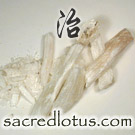 Shi Gao6 gDrain Fire
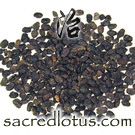 Dan Dou Chi9 gCool, Spicy Herbs that Release the Exterior
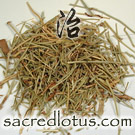 Ma Huang9 gWarm, Spicy Herbs that Release the Exterior
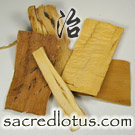 Huang Bai6 gClear Heat and Dry Dampness
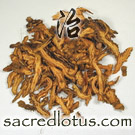 Huang Lian6 gClear Heat and Dry Dampness
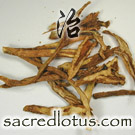 Huang Qin6 gClear Heat and Dry Dampness
 Zhi Zi6-9 gDrain Fire
Preparation & dosage
How is Shi Gao Tang prepared?
Shi Gao Tang is taken as a decoction (tang), the herbs simmered together in water and the strained liquid drunk warm. As with other Shi Gao-based decoctions, the mineral Gypsum is conventionally crushed and added to the pot ahead of the lighter, aromatic herbs so its active constituents fully extract during simmering — a general convention for mineral substances in decoction rather than a detail specific to this formula's original text.
Source: general TCM decoction-preparation convention for mineral substances (Shi Gao); no formula-specific classical preparation instructions were located, so preparation detail beyond standard decoction is omitted rather than guessed.
Decoction. Reference relative amounts (per this site’s own composition record, cross-referenced against multiple online sources): Shi Gao 6 g; Ma Huang 9 g; Dan Dou Chi 9 g; Huang Lian 6 g; Huang Qin 6 g; Huang Bai 6 g; Zhi Zi 6-9 g. Discrepancy: multiple online sources list Shi Gao at a much higher 30 g rather than 6 g; three independently cross-checked sources (this site’s own record and multiple online sources) agree on 6 g, which is kept here as the higher-confidence figure, with the variance noted rather than silently resolved. Reference only, not a prescription.
Safety — read before use
What are the cautions for Shi Gao Tang?
Shi Gao Tang is a strong, drying, dispersing formula built around Ma Huang and four bitter-cold, fire-draining herbs, so it is reserved for a genuine toxic-heat-with-unresolved-exterior pattern and is inappropriate where sweating is already present, where the constitution is substantially deficient, or where fever stems from yin-fluid deficiency rather than heat toxin.
- Ma Huang caution: a strong diaphoretic; contemporary sources flag caution in hypertension, cardiac arrhythmia, anxiety/insomnia, and possible interaction with MAO inhibitors and other sympathomimetic or stimulant medications.
- Bitter-cold herbs: Huang Lian, Huang Qin, and Huang Bai can injure Spleen/Stomach qi and yin if used beyond the acute presentation; not for prolonged use in a weak digestion.
- Pregnancy: the combination of a strong diaphoretic with bitter-cold, purging herbs warrants professional guidance.
Source: cautions summarized from multiple online sources (converging on the same contraindications). Traditional-use framing; not medical advice.
Originally Appeared In:
- Arcane Essentials from the Imperial Library (Wai Tai Bi Yao)
Notes:
How is Shi Gao Tang different from San Huang Shi Gao Tang and Zhu Ye Shi Gao Tang?
Several distinct formulas share the "Shi Gao Tang" name; this record matches this site’s seven-herb version (Shi Gao, Ma Huang, Dan Dou Chi, Huang Lian, Huang Qin, Huang Bai, Zhi Zi) from the Wai Tai Mi Yao (752 CE).
- vs San Huang Shi Gao Tang (三黄石膏湯, "Three-Yellow and Gypsum Decoction"): the same seven herbs plus Sheng Jiang and Da Zao, sourced to the later Shang Han Liu Shu ("Six Texts on Cold-Induced Disorders"). This site’s own record does not include ginger/jujube, so it matches the earlier Wai Tai Mi Yao version, not this expanded variant.
- vs Zhu Ye Shi Gao Tang (entry zhu-ye-shi-gao-tang): an unrelated formula (Zhu Ye, Ren Shen, Mai Men Dong, Ban Xia, Gan Cao, Geng Mi) from the Shang Han Lun that tonifies qi and fluids after a febrile illness has already resolved — the opposite clinical moment from this formula's actively toxic exterior-interior presentation.
- Embedded formula: the last four ingredients (Huang Lian, Huang Qin, Huang Bai, Zhi Zi) are, unmodified, the classical formula Huang Lian Jie Du Tang (also attributed to Wang Tao's Wai Tai Mi Yao) — Shi Gao Tang can be understood as Huang Lian Jie Du Tang plus Shi Gao, Ma Huang, and Dan Dou Chi to add exterior release.
Source: cross-referenced formula identity/composition from multiple online sources (San Huang Shi Gao Tang), this site’s own composition record for Zhu Ye Shi Gao Tang, and Huang Lian Jie Du Tang attribution noted in modern pharmacology literature (Journal of Ethnopharmacology, 2011; see research).
Clinical Studies & Research:
Is there modern research on Shi Gao Tang?
No dedicated modern clinical trials of this specific seven-herb classical formula were found in PubMed searches. What research does exist concerns its embedded four-herb core — Huang Lian, Huang Qin, Huang Bai, and Zhi Zi together form the separately studied classical formula Huang Lian Jie Du Tang, which has documented anti-inflammatory pharmacology.
- Anti-inflammatory activity (preclinical): Huang-Lian-Jie-Du decoction, its fractions, and four representative compounds (iridoids, flavonoids, alkaloids) showed synergistic anti-inflammatory effects in laboratory models (PMID 21296144, Journal of Ethnopharmacology, 2011).
Sources: PubMed search for "Shi Gao Tang" returned no matching studies (checked directly against PubMed, 2026-07); PubMed 21296144 for the embedded Huang Lian Jie Du Tang component. Research context for a component sub-formula, not evidence for Shi Gao Tang itself; not a therapeutic claim.
Sources & References
Compiled and edited by Thomas Dehli, Founder & Editor, Sacred Lotus Updated
The information here is referenced from numerous sources — teachers, practitioners, class notes from Five Branches University, the books below, and the published research literature, with citations given as resolvable PubMed identifiers. Where sources disagree, I have flagged the discrepancies directly. If facts couldn't be verified, I have left them out. How we source our content.
Reference information for students and practitioners — not medical advice. Consult a qualified practitioner. Terms of use.
Chinese Formulas Books & References
 https://amzn.to/4fYI3f8
 https://amzn.to/4j55NRA
 https://amzn.to/4gMROyv
 https://amzn.to/4h7msSK