

Chinese Herb Safety
This is a reference, not medical advice. Before combining any herb with another herb, a supplement, or a medication, consult a qualified practitioner and your pharmacist or physician.
The five safety/warning tags on 239 Chinese herbs.
- Drug interactions — documented interactions with medications, with a derived risk level and interaction type (blood thinners, blood sugar, liver metabolism, and more).
- Incompatible · 十八反 — the classical "Eighteen Incompatibilities": herb pairs that must not be combined.
- Antagonizes · 十九畏 — the "Nineteen Antagonisms": herb pairs that mutually blunt or counteract each other.
- Toxic / restricted — herbs that are toxic, or restricted/illegal in the United States, with a toxicity note.
- Endangered / illegal — substances from CITES-protected species (e.g. tiger, rhinoceros, pangolin, saiga antelope, seahorse) that are illegal and must be replaced with humane, legal substitutes.
These flags describe what we document; the interaction risk level is not a clinical severity score. Always read a herb's full page and confirm with a qualified practitioner and pharmacist.
Showing 187 of 239 herbs with a safety flag.
- Ba DouHigher interaction十九畏 AntagonizesToxic / restrictedCroton Seed (Crotonis Fructus)Diuretics / Fluid BalanceToxic / Restricted Herb
The documented cautions are traditional rather than pharmacokinetic: the recorded incompatibility with Qian Niu Zi, and the classical instruction against taking hot liquids alongside it. Precautionary reasoning — any drastic purgative…
Antagonizes / antagonized by 十九畏: Qian Niu Zi
Toxicity: Ba Dou is toxic in two distinct and separately documented ways: as an acute irritant poison, and as a laboratory-standard tumour promoter. Both trace to the same class of constituents — the tigliane…
- Bai Bian DouModerate interactionHyacinth Bean, Dolichos (Semen Dolichoris Lablab)Blood Sugar
It is a food legume with a long dietary history and a mild, neutral profile. Preclinical work reports hypoglycaemic and hypolipidaemic activity for lablab extracts, and inhibition of pancreatic alpha-amylase in vitro — on which basis…
- Bai Fu ZiHigher interactionToxic / restrictedTyphonium Rhizome (Rhizoma Typhonii Gigantei)Toxic / Restricted Herb
The practical interaction risk is not pharmacological but identification-related: because the name is one syllable from Fu Zi, and because Baifuzi is also used in the literature for an Aconitum species, a dispensing or record-keeping…
Toxicity: Moderate to high, and mechanistically specific: Bai Fu Zi s toxicity is irritant rather than systemic-alkaloid, and it comes from two constituents acting together — needle-shaped calcium-oxalate crystals…
- Bai GuoModerate interactionToxic / restrictedGinkgo Nut (Semen Ginkgonis Bilobae)Toxic / Restricted Herb
The widely repeated bleeding and anticoagulant cautions in Western reference works attach to standardized ginkgo leaf extracts, which are a different preparation from a different plant part, and we do not transfer them to Bai Guo. One…
Toxicity: Yes — this is one of the few Chinese herbs with a well-characterised, chemically identified human poisoning syndrome. The ginkgo seed contains ginkgotoxin (4'-O-methylpyridoxine, MPN ) and its 5'-glucoside,…
- Bai Hua SheHigher interactionToxic / restrictedAgkistrodon, Bungarus (Agkistrodon Seu Bungarus)Bleeding / Blood ThinnersToxic / Restricted Herb
One precautionary flag is worth practitioner awareness: proteins isolated from the venom of the sharp-snouted pit viper have documented antithrombotic and anticoagulant activity in laboratory and animal studies (PMID 33773469; PMID…
Toxicity: Classified as toxic in the traditional literature. Our record lists toxicity as part of this herb s nature, which in materia medica usage signals a restricted dose ceiling, professional supervision, and…
- Bai ShaoModerate interaction十八反 IncompatibleWhite Peony Root (Radix Albus Paeoniae Lactiflorae)Immune / Transplant
Separately, clinical trials of Total Glucosides of Paeony (TGP) — a standardized paeoniflorin-rich extract from the same Paeonia lactiflora root — combined with the conventional DMARDs methotrexate and/or leflunomide for active…
Incompatible with 十八反: Li Lu
- Bai Xian PiModerate interactionCortex of Chinese Dittany Root (Cortex Dictamni Dasycarpi Radicis)Liver Metabolism (CYP450)
What exists instead is indirect: laboratory work reports that constituents of Dictamnus dasycarpus undergo cytochrome P450-mediated bioactivation, with CYP1A2 among the enzymes implicated in the metabolic pathways studied in relation to…
- Ban Bian LianModerate interactionChinese Lobelia, Lobelia (Herba Lobeliae Chinensis Gum Radice)Diuretics / Fluid Balance
The one caution our record carries is a plausible pharmacological overlap rather than a documented event. Our record notes that Ban Bian Lian has a diuretic effect and should therefore be used carefully alongside diuretic drugs…
- Ban MaoHigher interactionToxic / restrictedCantharides (Mylabris)Toxic / Restricted Herb
Given its documented nephrotoxicity and GI corrosiveness, concurrent use with other nephrotoxic agents (e.g., NSAIDs, aminoglycosides, cisplatin-class chemotherapy) or GI-irritant/ulcerogenic drugs is a reasonable theoretical concern,…
Toxicity: Very high — Ban Mao is among the most toxic substances in the Chinese materia medica, and its active constituent cantharidin has caused fatal poisoning at very low doses. Cantharidin is a potent vesicant…
- Ban XiaHigher interaction十八反 IncompatibleToxic / restrictedPinellia Rhizome (Rhizoma Pinelliae Tematae)Toxic / Restricted Herb
A cardiotoxicity signal is documented only for the RAW, unprocessed rhizome in an animal model (PMID 27698376) — not for the processed forms (Fa/Jiang/Qing Ban Xia) used clinically — but it is a reasonable basis for practitioner…
Incompatible with 十八反: Fu Zi, Cao Wu, Chuan Wu
Toxicity: Yes — raw Ban Xia (Sheng Ban Xia) is toxic and, per the legacy record, is used only externally; every internally-used form is one of the processed preparations that neutralize its irritant components before…
- Bei XieGeneral interactionFish Poison Yam Rhizome, Tokoro (Rhizoma Dioscoreae Hypoglaucae)
None Noted
- Bi BaModerate interactionLong Pepper Fruit (Fructus Piperis Longi)Liver Metabolism (CYP450)
This is the one herb in the warming category where the drug-interaction question has a genuinely well-documented mechanistic answer. Piperine, the principal alkaloid of long pepper and of black pepper, is an established inhibitor of…
- Bi Cheng QieModerate interactionLitsea (Fructus Litseae)Liver Metabolism (CYP450)
A preclinical signal exists for its main essential-oil constituent: in a mouse model, citral altered hepatic cytochrome P450 activity — inducing CYP1A2, 2D22, and 2E1 and suppressing CYP3A11 at experimental doses — which raises a…
- Bing LangModerate interactionToxic / restrictedBetel Nut (Semen Arecae Catechu)Toxic / Restricted Herb
Areca alkaloids (including arecoline) have cholinergic (parasympathomimetic) pharmacological activity, so theoretical caution alongside other cholinergic-acting medications is reasonable; this is precautionary reasoning from the…
Toxicity: This is a genuine, well-documented public-health concern, and it is important to be clear about what it does and does not concern: the World Health Organization's International Agency for Research on Cancer…
- Bu Gu ZhiModerate interactionToxic / restrictedPsoralea Fruit (Fructus Psoraleae Corylifoliae)Toxic / Restricted Herb
Given the hepatotoxicity literature above, concurrent use with other hepatotoxic medications or in anyone with pre-existing liver disease is a reasonable safety concern for professional awareness — this is precautionary, not a…
Toxicity: There is a substantial, documented hepatotoxicity literature for Psoralea corylifolia — published case reports of acute cholestatic hepatitis and, in at least one case, fatal acute liver failure attributed…
- Cang Er ZiModerate interactionToxic / restrictedCocklebur Fruit (Fructus Xanthii Siberici)Toxic / Restricted Herb
Documented and genuine — Cang Er Zi/Xanthium fruit is a recognized hepatotoxin, with a published poisoning literature that includes fatalities and cases requiring intensive treatment, particularly from raw fruit or overdose. The toxic…
Toxicity: Documented and genuine — Cang Er Zi/Xanthium fruit is a recognized hepatotoxin, with a published poisoning literature that includes fatalities and cases requiring intensive treatment, particularly from raw…
- Cang ZhuModerate interactionBlack Atractylodes Rhizone (Rhizoma Atractylodis)Blood Sugar
May interact with anti-diabetic medication — the legacy Sacred Lotus caution, preserved here. Preclinical research supports a plausible mechanism: in streptozotocin-induced diabetic rats, ethanolic Atractylodes lancea extract…
- Cao WuHigher interaction十八反 Incompatible十九畏 AntagonizesToxic / restrictedPrepared Wild Aconite (Radix Aconiti Kusnezoffii Preparata)Sedatives / CNSToxic / Restricted Herb
Given its narrow therapeutic window and potent cardioactive alkaloids, Cao Wu warrants particular caution alongside other drugs that affect the heart. Additive risk is plausible with antiarrhythmics, cardiac glycosides, and other…
Incompatible with 十八反: Bai Ji, Ban Xia, Chuan Bei Mu, Gua Lou, Gua Lou Pi, Gua Lou Ren, Tian Hua Fen, Zhe Bei Mu, Bai Lian
Antagonizes / antagonized by 十九畏: Xi Jiao
Toxicity: Extremely toxic — regarded as more toxic than Chuan Wu; use only the processed root, only under qualified supervision. The toxicity comes from diester diterpenoid alkaloids (aconitine, mesaconitine,…
- Chai HuModerate interactionThorowax Root , Bupleurum (Radix Bupleuri)Liver Metabolism (CYP450)
The best-documented interaction is with interferon: a case series reported acute interstitial pneumonitis in patients with chronic hepatitis receiving interferon and/or the Kampo formula Sho-saiko-to (the Japanese preparation of Xiao…
- Chan SuHigher interactionToxic / restrictedToad Venom, Dried Toad Skin Secretions (Secretio Bufonis)Cardiac / Heart RhythmToxic / Restricted Herb
Documented interaction risk with cardiac glycosides (e.g., digoxin) and other cardioactive agents. Because Chan Su's bufadienolides act on the same cardiac Na⁺/K⁺-ATPase target as digoxin, co-exposure is expected to compound…
Toxicity: High — Chan Su is classified as toxic and is a documented potent cardiotoxin. Its bufadienolide compounds (bufalin, cinobufagin, and related steroids) inhibit the cardiac Na⁺/K⁺-ATPase pump in…
- Chang ShanHigher interactionToxic / restrictedDichroa Root (Radix Dichroae Febrifugae)Toxic / Restricted Herb
Given documented preclinical signals of liver, kidney, and cardiac involvement at raw/excessive doses (see toxicity, above), practitioner awareness is reasonable for patients already taking hepatotoxic medications or pharmaceutical…
Toxicity: Toxic — this site s own record records Chang Shan s nature as Bitter, Spicy, Cold, Toxic, consistent with the wider TCM and pharmacological literature. Strong nausea and vomiting are described as occurring…
- Chi ShaoModerate interaction十八反 IncompatibleRed Peony Root (Radix Rubrus Paeoniae Lactiflorae)Bleeding / Blood Thinners
Preclinical pharmacology supports caution. Compounds isolated from Paeonia lactiflora — including paeoniflorin — inhibited platelet aggregation and blood coagulation in vitro (PMID 20824965). This is a theoretical basis for additive…
Incompatible with 十八反: Li Lu
- Chi Xiao DouModerate interactionAduki Bean, Phaseolus (Semen Phaseoli Calcarati)Blood Sugar
No interaction study was located, and none would ordinarily be expected for a bean eaten as food. Two precautionary points, neither of them a demonstrated interaction: the herb s traditional action is promoting urination , so…
- Chong Wei ZiModerate interactionMotherwort Seeds (Semen Leonuri)Bleeding / Blood Thinners
No clinical interaction reports and no pharmacokinetic studies on the seed were located. Absence of documented interactions is not evidence of safety here — it reflects how little the seed has been studied separately from the aerial…
- Chou Wu TongModerate interactionGlorybower Leaf, Hariy Clerondendron (Folium Clerodendri Trichotomi)Blood SugarBlood Pressure
Its best-characterised laboratory mechanism is one that overlaps directly with a major drug class, and that is worth stating. Bioassay-guided work isolated five phenylpropanoid glycosides from this plant — acteoside, leucosceptoside A,…
- Chuan Lian ZiModerate interactionToxic / restrictedSichuan Pagoda Tree Fruit (Fructus Meliae Toosendan)Toxic / Restricted Herb
Given its documented hepatotoxic potential, concurrent use with other hepatotoxic substances (including some medications and alcohol) or in patients with pre-existing liver disease warrants professional caution and monitoring. This is a…
Toxicity: Documented and real — Melia toosendan is classed as slightly toxic in the materia medica, and modern research confirms its main active compound, toosendanin, is hepatotoxic (liver-damaging) in laboratory…
- Chuan Mu TongModerate interactionClematis (Caulis Clematidis Armandii)Diuretics / Fluid Balance
Chuan Mu Tong promotes urination and may interfere with Diuretic drugs.
- Chuan WuHigher interaction十八反 Incompatible十九畏 AntagonizesToxic / restrictedPrepared Sichuan Aconite (Radix Aconiti Preparata)Sedatives / CNSToxic / Restricted Herb
Because of its narrow therapeutic window and cardioactive alkaloids, Chuan Wu warrants particular caution alongside other drugs that affect the heart. Additive risk is plausible with antiarrhythmics, cardiac glycosides, and other…
Incompatible with 十八反: Bai Ji, Ban Xia, Chuan Bei Mu, Gua Lou, Gua Lou Pi, Gua Lou Ren, Tian Hua Fen, Zhe Bei Mu, Bai Lian
Antagonizes / antagonized by 十九畏: Xi Jiao
Toxicity: Extremely toxic — use only the processed root, only under qualified supervision. The toxicity comes from diester diterpenoid alkaloids (aconitine, mesaconitine, hypaconitine). Traditional processing —…
- Chuan Xin LianModerate interactionGreen Chiretta or Kariyat or Andrographis (Herba Andrographitis Paniculatae)Bleeding / Blood ThinnersBlood SugarLiver Metabolism (CYP450)
There is enough laboratory and animal signal to warrant practitioner awareness — particularly for patients on anticoagulants, blood-glucose-lowering drugs, or narrow-therapeutic-index medicines metabolised by cytochrome P450 enzymes.…
- Chuan XiongModerate interactionSzechuan Lovage Root (Rhizoma Ligustici Chuanxiong)Bleeding / Blood Thinners
Chuan Xiong may interact with anticoagulant/antiplatelet drugs. This traditional caution has plausible pharmacological support: reviewed constituents such as tetramethylpyrazine (ligustrazine) and ferulic acid inhibit platelet…
- Da Feng ZiHigher interactionToxic / restrictedChaulmoogra Seeds (Semen Hydnocarpi Anthelminticae)Toxic / Restricted Herb
Therapeutic use of chaulmoogra-derived compounds for disease treatment was superseded in the 1940s by dapsone and other sulfone antibiotics as the medical standard for leprosy (Hansen s disease), so contemporary clinical pharmacology…
Toxicity: Toxic — the Sacred Lotus identity record and standard Chinese materia medica both classify Da Feng Zi as a toxic substance, which is the documented public-safety basis for restricting it to external (skin)…
- Da HuangModerate interactionRhubarb Root and Rhizome (Radix Et Rhizoma Rhei)Cardiac / Heart RhythmDiuretics / Fluid Balance
As a class, anthraquinone/sennoside-type stimulant laxatives are recognized in general pharmacology as capable of contributing to potassium loss with chronic or excessive use, which can compound the effect of potassium-wasting diuretics…
- Da SuanModerate interactionGarlic Bulb (Bulbus Allii Sativi)Bleeding / Blood ThinnersLiver Metabolism (CYP450)
Garlic has documented antiplatelet activity and may increase bleeding risk with anticoagulant or antiplatelet drugs (e.g., warfarin) — case reports describe elevated INR and bruising/bleeding with heavy garlic intake, though one small…
- Dan ShenHigher interaction十八反 IncompatibleSalvia Root (Radix Salviae Miltiorrhizae)Bleeding / Blood ThinnersLiver Metabolism (CYP450)
Yes — Dan Shen has a well-documented interaction with warfarin: it decreases warfarin clearance and increases its bioavailability, potentiating anticoagulation and raising bleeding risk. This is one of the better-established herb–drug…
Incompatible with 十八反: Li Lu
- Dang GuiHigher interactionChinese Angelica Root (Radix Angelicae Sinensis)Bleeding / Blood Thinners
Dang Gui may potentiate anticoagulant ( blood-thinning ) medications such as warfarin. This traditional caution is corroborated by a published case report in which a patient stabilized on warfarin developed a markedly elevated INR and…
- Deng Xin CaoModerate interactionRush Pith, Juncus (Medulla Junci Effusi)Diuretics / Fluid Balance
Two theoretical areas are worth practitioner awareness: Diuretic medication — a general caution for any herb used to promote urination; combining with prescription diuretics is a matter for the prescriber, particularly where…
- Di LongModerate interactionEarthworm (Lumbricus)Bleeding / Blood Thinners
There is a theoretical, mechanism-based bleeding-risk caution : earthworm preparations contain fibrinolytic/antithrombotic enzymes (lumbrokinase and related proteases — see Research). On that basis, practitioner caution is reasonable…
- Dong Chong Xia CaoHigher interactionCordyceps, Chinese Caterpillar Fungus (Cordyceps Chinensis)Immune / Transplant
Given the immunomodulatory activity seen in research (below), practitioner caution is reasonable alongside immunosuppressant therapy — e.g., in transplant patients, a population where Cordyceps has actually been studied as an adjunct,…
- Dong Gua PiModerate interactionWinter Melon Peel, Wax Gourd Peel (Exocarpium Benincasae)Diuretics / Fluid Balance
No clinical interaction reports and no pharmacokinetic studies specific to winter melon peel were located, and the plant is an everyday vegetable. Absence of documented interactions reflects how little the material has been studied, not…
- E Guan ShiModerate interactionTip of Tubular Stalactites (Stalactitum)Thyroid
As a calcium-carbonate-based mineral, the general precautions that apply to calcium-carbonate/antacid-type substances are a reasonable, precautionary consideration — for example, spacing dosing from tetracycline or fluoroquinolone…
- Fan Hong HuaModerate interactionSaffron (Stigma Croci Sativi)Bleeding / Blood Thinners
Two areas warrant practitioner awareness. First, antidepressant medication: several randomised trials have compared saffron directly against SSRIs and it has been studied as an add-on to antidepressants, so anyone already taking an…
- Fan Xie YeModerate interactionSenna Leaf (Folium Sennae)Cardiac / Heart RhythmDiuretics / Fluid Balance
The interactions that matter with senna follow from what it does — it speeds intestinal transit and, with sustained use, can deplete potassium. Both effects are mechanical and predictable rather than mysterious, and both are documented…
- Feng FangHigher interactionToxic / restrictedHornet's Nest (Nidus Vespae)Toxic / Restricted Herb
Preclinical research (below) shows Nidus Vespae extracts can stimulate immune-cell proliferation and cytokine output (e.g., TNF- , IL-6, IgG) and affect cancer-cell growth in vitro . On that basis, practitioner awareness is reasonable…
Toxicity: Toxic. Feng Fang is consistently classified as a toxic substance in Chinese materia medica (properties recorded on this site as Sweet, Neutral, Toxic). Toxicity is concentrated in the raw material's…
- Fo ShouModerate interactionFinger Citron Fruit (Fructus Citri Sacrodactylis)Liver Metabolism (CYP450)
The caution is not baseless either, because furanocoumarins have been documented in Fo Shou. The grapefruit–drug effect is driven by specific furanocoumarins, chiefly bergamottin and 6 ,7 -dihydroxybergamottin, which irreversibly…
- Fu Ling PiModerate interactionPoria Skin (Sclerotii Poriae Cocos)Diuretics / Fluid Balance
Because its defining action is diuretic — and animal work confirms a real, measurable increase in urine output and sodium excretion — practitioner awareness is reasonable for patients taking prescription diuretics, or medication whose…
- Fu ShenModerate interactionPoria Spirit (Scierotium Pararadicis Poriae Cocos)Diuretics / Fluid Balance
None noted, but this herb has a mild diuretic effect and care should be used in patients taking diuretics.
- Fu ZiHigher interaction十八反 IncompatibleToxic / restrictedProcessed Aconite (Radix Lateralis Praeparatus Aconiti Carmichaeli)Cardiac / Heart RhythmToxic / Restricted Herb
The primary documented concern is cardiac. The aconitine-type diester alkaloids are recognized in the pharmacology literature as cardiotoxic and arrhythmogenic, so reference sources flag added caution where cardiac or antiarrhythmic…
Incompatible with 十八反: Bai Ji, Ban Xia, Chuan Bei Mu, Gua Lou, Gua Lou Pi, Gua Lou Ren, Tian Hua Fen, Zhe Bei Mu, Bai Lian
Toxicity: Raw aconite is highly toxic, and Fu Zi is the detoxified, processed lateral root — only processed forms are used internally. Toxicity is attributed to the diester diterpenoid alkaloids (aconitine,…
- Gan CaoHigher interaction十八反 IncompatibleLicorice Root (Radix Glycyrrhizae)Cardiac / Heart RhythmDiuretics / Fluid Balance
Two interactions are commonly flagged: potentiation of corticosteroids, and increased cardiac-glycoside (e.g., digoxin) risk via potassium loss. Glycyrrhizin's inhibition of 11 -hydroxysteroid dehydrogenase type 2 slows cortisol…
Incompatible with 十八反: Da Ji, Jing Da Ji, Gan Sui, Hai Zao, Yuan Hua
- Gan JiangModerate interactionDried Ginger Rhizome (dry Rhizoma Zingiberis)Bleeding / Blood Thinners
Because ginger constituents can affect platelet function in laboratory studies, additive effects with anticoagulant or antiplatelet drugs are a commonly raised theoretical caution, though clinical evidence is limited and mixed. (Flagged…
- Gan QiModerate interactionToxic / restrictedSap Prepared as Lacquer (Lacca Sinica Exsiccata)Toxic / Restricted Herb
Given its classification as a toxic, strongly blood-stasis-breaking substance used only in processed form under professional supervision, practitioners are the appropriate source for any interaction assessment; the absence of published…
Toxicity: Yes — the raw sap of the lacquer tree is a well-documented, potent skin allergen and irritant, and the dried resin is classified in the materia medica as slightly toxic. The sap s chief constituent,…
- Gan SongModerate interactionChinese Nardostachys Rhizome (Radix Et Rhizoma Nardostachydis)Blood Pressure
Two lines of evidence make cardiovascular medication a real rather than a theoretical concern. A small randomised, placebo-controlled study reported significant reductions in both systolic and diastolic blood pressure in patients with…
- Gan SuiHigher interaction十八反 IncompatibleToxic / restrictedKansui Root (Radix Euphorbiae Kansui)Toxic / Restricted Herb
The best-characterised interaction is herb–herb rather than herb–drug: co-administration with licorice measurably reduced licorice-constituent bioavailability in rats and shifted the toxicity-efficacy balance unfavourably (see notes and…
Incompatible with 十八反: Gan Cao
Toxicity: High. Gan Sui is a documented irritant and hepatotoxin, and its toxicity comes from the same diterpene constituents that produce its purgative effect — the effect and the harm are not separable. A 2016…
- Ge GenModerate interactionPueraria, Kudzu Root (Radix Puerariae)Liver Metabolism (CYP450)
One human pharmacokinetic study is relevant. In 18 healthy male volunteers, a single dose of puerarin (Ge Gen s major isoflavone) inhibited CYP2D6 activity and induced CYP1A2 activity, measured via standard probe-drug metabolic ratios;…
- Gou Qi ZiModerate interactionChinese Wolfberry Fruit, Matrimony Vine Fruit (Fructus Lycii Chinensis)Bleeding / Blood ThinnersLiver Metabolism (CYP450)
A probable interaction with warfarin is documented. Several published case reports describe raised INR and bleeding when patients on warfarin also took goji (Lycium barbarum) as a tea, juice, or supplement, and laboratory work shows…
- Gou TengModerate interactionGambir Vine Stems and Thorns (Ramulus Uncariae Cum Uncis)Blood Pressure
Because rhynchophylline research reports blood-pressure-lowering and neuroactive effects in laboratory models (below), practitioner caution is reasonable alongside antihypertensive or sedative medication. (Flagged for practitioner…
- Guang Fang JiHigher interactionToxic / restrictedAristolochia Root, Stephania (Radix Aristolochiae Fangchi)Toxic / Restricted Herb
The question does not really arise, because the herb should not be taken at all. The historical caution attached to it in our records — that it should not be combined with other substances toxic to the kidney or liver — is retained only…
Toxicity: Yes — it contains aristolochic acid, which is classified as a Group 1 human carcinogen and is both nephrotoxic and genotoxic. The injury pattern is a rapidly progressive interstitial fibrosis of the kidney…
- Gui ZhiModerate interactionCinnamon Twig, Cassia Twig (Ramulus Cinnamomi Cassiae)Bleeding / Blood Thinners
Cinnamon species as a group contain coumarin-class compounds, and consumer-health sources describe case reports of cassia-cinnamon bark/supplement use (a much higher-coumarin, higher-dose product than a TCM twig decoction) potentiating…
- Hai DaiModerate interactionKelp, Laminaria Thallus (Laminaria Japonica)Thyroid
Two precautionary areas deserve practitioner awareness. First, thyroid medication : Hai Dai is a high-iodine kelp, and iodine from kombu can measurably alter thyroid function tests in healthy adults (PMID 18689954), so concurrent use…
- Hai Feng TengModerate interactionKadsura Stem (Caulis Piperis Futokadsurae)Bleeding / Blood Thinners
No human interaction reports were located. One preclinical pharmacokinetic study is worth recording for completeness: in rats, co-administration of ciclosporin A (a P-glycoprotein inhibitor) did not significantly change the…
- Hai ShenModerate interactionSea Cucumber, Sea Slug, Trepang (Stichopus Japonicus)Bleeding / Blood Thinners
Hai Shen s documented anticoagulant chemistry is a reasonable precaution for patients on blood-thinning medication. Sea cucumber (including Apostichopus japonicus , the species recorded for this herb) contains fucosylated chondroitin…
- Hai ZaoModerate interaction十八反 IncompatibleSeaweed, Sargassum (Herba Sargassii)Thyroid
Its iodine content is directly relevant to thyroid medications. Because thyroid hormone replacement and anti-thyroid medications are iodine-sensitive, and Hai Zao is an iodine-concentrated seaweed, practitioner awareness and monitoring…
Incompatible with 十八反: Gan Cao
- Han Fang JiModerate interactionStephania Root (Radix Stephaniae Tetrandrae)Liver Metabolism (CYP450)Diuretics / Fluid Balance
Two precautionary areas are worth knowing. The Sacred Lotus record advises caution alongside diuretic medications — including thiazides such as chlorothiazide and hydrochlorothiazide, and loop diuretics such as furosemide, bumetanide…
- Han Lian CaoGeneral interactionEclipta (Herba Ecliptae Prostratae)
None Noted.
- Han Shui ShiModerate interactionCalcitum (Calcitum)Thyroid
One general, mechanism-level point applies to any calcium-carbonate-based substance taken by mouth: calcium carbonate is an antacid and binds a number of oral drugs in the gut — tetracycline and quinolone antibiotics, levothyroxine,…
- He Huan HuaModerate interactionMimosa Tree Flower (Flos Albizziae Julibrissinis)Sedatives / CNS
Preclinical research below found that a Flos Albiziae extract and its flavonoid quercetin potentiated the hypnotic effect of the sedative pentobarbital in mice via the serotonergic system. This suggests theoretical additive effects with…
- He Shou WuModerate interactionToxic / restrictedFleeceflower Root, Ho Shou Wu, Polygonum (Radix Polygoni Multiflori)Sedatives / CNSImmune / TransplantToxic / Restricted Herb
The principal documented concern is additive liver stress: He Shou Wu should not be stacked with other hepatotoxic agents. Because its injury signal is idiosyncratic and immune-mediated (see Toxicity), the reference-level caution is to…
Toxicity: He Shou Wu has a well-documented idiosyncratic drug-induced liver injury (DILI) signal — this is a critical safety reference fact, not a usage instruction. The US NIH LiverTox monograph rates it a…
- He ZiModerate interactionMyrobalan Fruit (Fructus Terminaliae Chebulae)Liver Metabolism (CYP450)
A preclinical signal warrants caution. In laboratory study, the He Zi tannin chebulinic acid induced several cytochrome P450 enzymes (CYP1A2, 2C11, 2D2, 2E1), which could in theory alter the metabolism of co-administered drugs.…
- Hei XiGeneral interactionToxic / restrictedLead (Lead)Toxic / Restricted Herb
This is not a herb–drug interaction question, and framing it that way would be misleading. Lead is a poison rather than a therapeutic agent, so the clinically relevant relationship with medication is the opposite of an interaction:…
Toxicity: Lead is one of the most thoroughly documented toxicants in environmental medicine, and no safe level of exposure has been identified. It is absorbed, distributed to blood and soft tissue, and then stored in…
- Hei Zhi MaModerate interactionBlack Sesame Seeds (black Semen Sesame Indici)Blood Pressure
It is a normal dietary food eaten in quantity worldwide. Two precautionary points are reasonable for a practitioner to hold, neither of which is a demonstrated clinical interaction: Blood pressure and lipids — sesame has been studied…
- Hong Da JiHigher interactionToxic / restrictedKnoxia Root (Radix Knoxiae)Toxic / Restricted Herb
The primary documented interaction is the classical/regulatory incompatibility with Gan Cao (licorice, Radix Glycyrrhizae) and licorice-containing preparations under the Eighteen Incompatibilities (十八反), which practitioners observe when…
Toxicity: Toxic; classified in the Chinese Pharmacopoeia tradition as a slightly toxic (有小毒) harsh expellant, though Western and database references commonly label it simply toxic — the same substance under different…
- Hong HuaModerate interactionSafflower Flower (Flos Carthami Tinctorii)Bleeding / Blood Thinners
Hong Hua may interfere with anticoagulant/antiplatelet medications (the Sacred Lotus record flags this directly). This is consistent with Hong Hua s core traditional action of strongly invigorating the blood, and with preclinical…
- Hong TengModerate interactionSargentodoxa Vine (Caulis Sargentodoxae)Bleeding / Blood Thinners
This is the one interaction question that genuinely matters for this herb. Our own record states that Hong Teng inhibits blood clotting and flags herb–drug interaction as a concern — so combination with anticoagulant or antiplatelet…
- Hou PoModerate interactionMagnolia Bark (Cortex Magnoliae Officinalis)Bleeding / Blood Thinners
Caution with antiplatelet and anticoagulant medication. Magnolol, one of Hou Po s principal active constituents, has documented antiplatelet activity — laboratory research shows it inhibits platelet aggregation via a PPAR- / -mediated…
- Hu JiaoModerate interactionBlack Pepper (Fructus Piperis Nigri)Liver Metabolism (CYP450)
Piperine, black pepper's main alkaloid, is a well-documented inhibitor of CYP3A4, CYP2C9, and intestinal P-glycoprotein , and can meaningfully raise blood levels of drugs cleared through these pathways. A controlled human study found…
- Hu Lu BaModerate interactionFenugreek Seed (Semen Trigonellae Foeni-graeci)Blood Sugar
Two mechanistically plausible signals are documented. (1) Hypoglycemic medications — randomized trials adding fenugreek seed extract on top of metformin/sulfonylurea therapy produced significantly greater fasting and postprandial…
- Hu ZhangModerate interactionBushy Knotweed Root and Rhizome (Radix Et Rhizoma Polygoni Cuspidati)Bleeding / Blood ThinnersLiver Metabolism (CYP450)
The main documented concern is with anticoagulant/antiplatelet drugs (e.g., warfarin), based on resveratrol pharmacology rather than a clinical trial in Hu Zhang itself. An animal (rat) pharmacokinetic study found that resveratrol…
- Hua Rui ShiModerate interactionOphicalcite (Ophicalcitum)Thyroid
Because its major component is calcium carbonate, the general precautions that apply to calcium-carbonate/antacid-type substances are a reasonable, precautionary consideration — e.g., spacing dosing from tetracycline or fluoroquinolone…
- Huang BaiModerate interactionPhellodendron or Amur Cork tree Bark (Cortex Phellodendri)Bleeding / Blood ThinnersLiver Metabolism (CYP450)Immune / Transplant
Huang Bai is a berberine-containing herb, and berberine itself has documented pharmacokinetic interactions. Small human studies — in healthy volunteers and in renal-transplant recipients — found that berberine measurably raised…
- Huang JingModerate interactionSiberian Solomon Seal Rhizome, Polygonatum (Rhizoma Polygonati)Blood Sugar
Given the blood-glucose– and lipid-lowering activity seen in laboratory and animal research (below), practitioner caution is reasonable alongside antidiabetic medication, with monitoring. (Flagged for practitioner confirmation — absence…
- Huang LianModerate interactionCoptis Rhizome (Rhizoma Coptidis)Liver Metabolism (CYP450)Immune / Transplant
Berberine (Huang Lian's principal alkaloid) inhibits several drug-metabolizing enzymes and has been shown, in a clinical study, to raise blood levels of the immunosuppressant cyclosporine A — practitioner awareness is warranted for…
- Huang QiModerate interactionAstragalus (Radix Astragali Membranacei)Bleeding / Blood ThinnersBlood SugarImmune / Transplant
Yes — Huang Qi (astragalus) has a documented interaction with tacrolimus and theoretical interactions with anti-diabetic and anticoagulant/antiplatelet medications. A published case report describes a nearly 50% drop in tacrolimus blood…
- Huang QinModerate interactionBaical Skullcap Root (Radix Scutellariae Baicalensis)Liver Metabolism (CYP450)Immune / Transplant
A documented pharmacokinetic interaction with cyclosporine. Animal and in-vitro studies report that Scutellaria baicalensis decoction and its main flavonoids (baicalin, baicalein) reduce cyclosporine A bioavailability/absorption, and…
- Huang Yao ZiModerate interactionDioscorea Bulbifera Tober (Tuber Dioscoreae Bulbiferae)Liver Metabolism (CYP450)
The mechanism of its liver toxicity gives a clear, principled reason for caution: the toxic constituents are activated by cytochrome P450 enzymes, chiefly the CYP3A subfamily, which is also the main metabolic route for a very large…
- Jiang CanModerate interactionBody of Sick Silkworm (Bombyx Batryticatus)Bleeding / Blood Thinners
There is a theoretical, mechanism-based bleeding-risk caution : laboratory review reports anticoagulant activity for Bombyx batryticatus (see Research). On that basis, practitioner caution is reasonable alongside anticoagulant or…
- Jiang HuangModerate interactionTurmeric Rhizome (Rhizoma Curcumae Longae)
High-dose concentrated curcumin supplements (a modern extract, not the traditional herb) are commonly discussed as a theoretical concern alongside anticoagulant/antiplatelet therapy given curcumin s laboratory effects on platelets;…
- Jiang XiangModerate interactionDalbergia Heartwood (Lignum Dalbergiae Odoriferae)Bleeding / Blood Thinners
Preclinical research (below) reports antiplatelet and antithrombotic activity in isolated compounds from Dalbergia odorifera , which gives a theoretical basis for caution in patients taking anticoagulant or antiplatelet drugs (e.g.…
- Jin Qian CaoModerate interactionLysimachia (Herba Desmodii Styrachifolii)Diuretics / Fluid Balance
The documented precaution is with pharmaceutical diuretics. Because Jin Qian Cao itself promotes urination, our own record advises caution in patients already taking diuretic drugs, where additive fluid and electrolyte loss is…
- Jing Da JiHigher interaction十八反 IncompatibleToxic / restrictedPeking Spurge Root (Radix Euphorbiae Pekinensis)Toxic / Restricted Herb
The best-characterised interaction is herb–herb: the classical prohibition on combining it with Gan Cao (licorice, Radix Glycyrrhizae), one of the Eighteen Incompatibilities and a pair our own incompatibility records hold. What modern…
Incompatible with 十八反: Gan Cao
Toxicity: High, and mechanistically well characterised. The toxicity of Jing Da Ji and its purgative effect come from the same chemistry — the effect and the harm are not separable. Documented targets are the…
- Jiu Da HuangModerate interactionWine Treated Rhubarb Root, Rhizome - Raw Herb Shown (Wine Treated Radix Et Rhizoma Rhei)Blood SugarLiver Metabolism (CYP450)Cardiac / Heart RhythmDiuretics / Fluid Balance
This is one of the few processed herbs with a directly relevant animal interaction study, and it found real effects. A rat study using a probe-cocktail and pharmacokinetic approach reported that wine-processed rhubarb induced CYP1A2…
- Ju HeModerate interactionCitrus/Tangerine Seeds (Semen Citri Reticulatae)Liver Metabolism (CYP450)
There is no documented clinical herb–drug interaction for Ju He, and the grapefruit effect does not transfer to it automatically. The grapefruit interaction is driven by particular furanocoumarins in the fruit and peel — chiefly…
- Ju HongModerate interactionOutermost Citrus Peel, Tangerine Peel, Orange Peel (Exocarpium Citri Rubrum)Liver Metabolism (CYP450)
There is no documented clinical herb–drug interaction for Ju Hong, and the grapefruit evidence does not transfer to it automatically — tangerine-family citrus is at the low end of the relevant chemistry, not the high end. The grapefruit…
- Ku Lian Gen PiHigher interactionToxic / restrictedChina Tree Root Bark (Cortex Meliae Radicis)Toxic / Restricted Herb
Given the demonstrated hepatotoxic mechanisms of its marker compound toosendanin (see Toxicity), practitioner awareness is reasonable when a patient is also taking other hepatotoxic medications or has impaired liver function — this is a…
Toxicity: Documented toxic herb. Cortex Meliae's marker limonoid, toosendanin, has repeatedly been shown in laboratory research to be hepatotoxic — damaging liver cells via disrupted autophagy/lysosomal function,…
- Ku ShenModerate interaction十八反 IncompatibleSophora Root (Radix Sophorae Flavescentis)
Because concentrated matrine/oxymatrine preparations (including injectable Compound Kushen Injection, used in China as adjunctive cancer supportive care) are pharmacologically active and hepatically metabolized, practitioner awareness…
Incompatible with 十八反: Li Lu
- Kuan Dong HuaHigher interactionToxic / restrictedColtsfoot Flower (Tussilaginis Farfarae Flos)Toxic / Restricted Herb
The theoretically relevant consideration is additive rather than pharmacokinetic: pyrrolizidine alkaloids are hepatotoxic, so co-exposure with other PA-containing botanicals (comfrey, borage, butterbur, ragwort-contaminated material,…
Toxicity: The relevant toxicity is not from the herb s traditional actions but from its pyrrolizidine alkaloids (PAs), principally senkirkine with traces of senecionine. Unsaturated PAs of this class are hepatotoxic,…
- Kuan Jin TengModerate interactionChinese Tinospora Stem (Ramus Tinosporae Sinensis)Liver Metabolism (CYP450)
There is one directly relevant laboratory finding on this exact species. A 2022 in-vitro study assessed Tinospora crispa and Tinospora sinensis for herb–drug interaction potential and reported that the methanolic extracts of both showed…
- Kun BuModerate interactionKelp, Eckloniae Thallus (Ecklonia Kurome)Thyroid
Two precautionary areas are worth practitioner awareness. First, thyroid medication : kelp's iodine content can measurably alter thyroid function tests in healthy adults (PMID 18689954), so concurrent use with levothyroxine, antithyroid…
- Li LuHigher interaction十八反 IncompatibleToxic / restrictedVeratrum Root and Rhizome (Radix Et Rhizoma Veratri)Blood PressureCardiac / Heart RhythmToxic / Restricted Herb
Because its toxic alkaloids act on cardiac sodium channels and produce vagally mediated bradycardia and hypotension, reference sources would reasonably flag added caution alongside antiarrhythmic medications, beta-blockers or other…
Incompatible with 十八反: Bai Shao, Bei Sha Shen, Chi Shao, Dan Shen, Dang Shen, Ku Shen, Ren Shen, Xi Xin, Xuan Shen, Sha Shen
Toxicity: Yes — Li Lu is classed as very toxic, and the site flags it accordingly. Its toxicity is attributed to steroidal ester alkaloids — principally veratramine and jervine (reported as the two largest fractions…
- Li Zhi HeModerate interactionLeechee Nut (Semen Litchi Chinensis)Blood Sugar
There is one flag a practitioner should carry: blood glucose. Two independent lines of evidence point the same way. Lychee seed extracts and their isolated polyphenols have lowered blood glucose and improved insulin resistance across a…
- Lian Zi XinModerate interactionLotus Plumule (Plumula Nelumbinis Nuciferae)Bleeding / Blood Thinners
Two areas warrant practitioner awareness, both resting on laboratory work with neferine (the plumule s signature bisbenzylisoquinoline alkaloid) rather than on any observed clinical event: Liver enzyme metabolism — an in-vitro study of…
- Ling Yang JiaoModerate interactionEndangeredAntelope Horn (Cornu Saigae Tataricae)Blood Pressure
Recent preclinical pharmacology found saiga antelope horn lowered blood pressure and protected kidney, heart, and aortic structure in an animal model of Liver-yang-hyperactivity hypertension, proposed to act partly through the…
Toxicity: Low reported intrinsic toxicity. Antelope horn is a keratin-based material (keratoprotein, phospholipids, free amino acids) similar in composition to other TCM horn substances, and the classical literature…
- Ling ZhiModerate interactionReishi Mushroom or ganoderma (Ganoderma)Bleeding / Blood ThinnersBlood PressureImmune / Transplant
Practitioner caution is warranted with anticoagulant/antiplatelet medications (e.g. warfarin, aspirin, clopidogrel) because of Ling Zhi s traditional and research-context association with effects on blood/circulation and its…
- Liu HuangHigher interaction十九畏 AntagonizesToxic / restrictedSulpher (Sulphur)Liver Metabolism (CYP450)Toxic / Restricted Herb
Given the overdose mechanism described above — conversion toward hydrogen sulfide, with potential sulfhemoglobin formation and cytochrome-oxidase inhibition at high exposure — theoretical caution is reasonable for concurrent use with…
Antagonizes / antagonized by 十九畏: Po Xiao
Toxicity: Toxic — use is restricted to small, professionally processed and professionally supervised internal doses, with a defined dose ceiling. As mined, sulphur commonly carries arsenic-trioxide contamination from…
- Lu HuiModerate interactionAloe Leaf - Dried juice Concentrate (Herba Aloes)Cardiac / Heart RhythmDiuretics / Fluid Balance
The interactions that matter with aloe latex are the interactions of any stimulant laxative: it speeds intestinal transit and, with sustained use, can deplete potassium. Both are mechanical and predictable, and both are documented in…
- Lu Lu TongModerate interactionSweetgum Fruit (Fructus Liquidambaris Taiwaniae)Bleeding / Blood Thinners
The Sacred Lotus record notes no interactions, and the published research is preclinical rather than pharmacokinetic. Theoretical area only — as a blood-invigorating herb, the customary practitioner caution around anticoagulant and…
- Lu RongModerate interactionVelvet of Young Deer Antler (Cornu Parvum Cervi)Blood Sugar
One reference point for athletes: deer velvet naturally contains insulin-like growth factor-1 (IGF-1), a substance on the World Anti-Doping Agency prohibited list, so competitors subject to drug testing have been cautioned about…
- Ma Chi XianModerate interactionPurslane or Portulaca (Herba Portulacae Oleraceae)Diuretics / Fluid Balance
Three areas warrant awareness on precautionary grounds rather than evidence. Its high potassium content (around 494 mg per 100 g, PMID 24683365) is worth noting alongside potassium-sparing diuretics, ACE inhibitors or…
- Ma Dou LingHigher interactionToxic / restrictedBirthwort Fruit (Aristolochiae Fructus)Toxic / Restricted Herb
The relevant hazard is not a conventional drug interaction — it is the aristolochic acid itself — but one laboratory finding is worth recording: fruit extract inhibited several drug-metabolising cytochrome P450 enzymes in rat liver…
Toxicity: Yes. The fruit contains aristolochic acids, and the harm they cause is among the best-characterised in the whole of herbal toxicology: a progressive, irreversible interstitial kidney fibrosis, and…
- Ma HuangHigher interactionEphedra Stem (Herba Ephedrae)Blood Pressure
Ma Huang s ephedrine/pseudoephedrine content is documented to interact with several drug classes, as a neutral pharmacological reference point rather than usage guidance. MAOIs (monoamine oxidase inhibitors) — combination is documented…
Toxicity: Ma Huang s active alkaloids — ephedrine and pseudoephedrine — are sympathomimetic amines with well-documented cardiovascular and central-nervous-system risk at excess doses, and the herb is subject to…
- Ma Qian ZiHigher interactionToxic / restrictedNux Vomica Seeds (Semen Strychnotis)Toxic / Restricted Herb
Given strychnine s action as a CNS excitatory agent (glycine-receptor antagonism), reference sources support practitioner caution around other drugs or substances that lower seizure threshold or otherwise increase CNS/neuromuscular…
Toxicity: Yes — Ma Qian Zi is classified as very toxic. Its two main alkaloids, strychnine and brucine, are both toxic principles, with strychnine reported as substantially more potent than brucine. Strychnine acts…
- Meng ChongModerate interactionToxic / restrictedtabanus, gadfly (Tabanus)Bleeding / Blood ThinnersToxic / Restricted Herb
Caution with anticoagulant and antiplatelet drugs is reasonable, and unusually for a herb of this kind there is a real human safety signal behind it rather than only an inference from chemistry. Our record holds no interaction note of…
Toxicity: Our record classifies Meng Chong as slightly toxic, and the reference doses it carries — 1–1.5 g decocted, 0.3 g as powder — are among the smallest in the materia medica, which is the practical expression…
- Mi Tuo SengHigher interactionToxic / restrictedLitharge (Lithargyrum)Toxic / Restricted Herb
The relevant concern is not a pharmacologic interaction but cumulative heavy-metal exposure: patients undergoing chelation therapy, those with impaired renal function (lead is renally excreted), or anyone with other sources of lead…
Toxicity: Mi Tuo Seng is essentially pure lead(II) oxide (PbO, CAS 1317-36-8) — a recognized heavy-metal toxin with no established safe exposure level. Lead compounds are absorbed through inhalation, ingestion, and,…
- Mu Bie ZiHigher interactionToxic / restrictedMomordica Seeds (Semen Momordicae Cochinchinensis)Toxic / Restricted Herb
Given the preclinical signals of cardiac and hepatic toxicity at higher doses (see toxicity), practitioner caution is reasonable when combining with other cardiotoxic or hepatotoxic substances/medications — this is precautionary, not a…
Toxicity: Documented toxic. Momordicae Semen (Mu Bie Zi) contains saponins and cochinchinin, concentrated mainly in the seed kernel, identified in preclinical studies as its principal toxic constituents. Reported…
- Mu Dan PiModerate interactionCortex of the Peony Tree Root (Cortex Radicis Moutan)Bleeding / Blood Thinners
Preclinical work shows two of Mu Dan Pi s marker compounds affect platelet function: paeoniflorin selectively inhibits shear-stress-induced platelet aggregation and prevented arterial thrombosis in rats without prolonging bleeding or…
- Nu Zhen ZiModerate interactionPrivet Fruit, Ligustrum (Fructus Ligustri Lucidi)Blood Sugar
Nu Zhen Zi has documented blood-glucose–lowering activity, so combining it with anti-diabetic medication (e.g. insulin, sulfonylureas) may increase the risk of hypoglycemia — this is an existing Sacred Lotus caution and is consistent…
- Pao JiangGeneral interactionPrepared Ginger, Black Roasted Ginger (Blast-Fried Rhizoma Zingiberis)
The relevant literature is about ginger generally and anticoagulants. A randomized crossover study in healthy volunteers found that ginger did not significantly affect the pharmacokinetics or pharmacodynamics of warfarin (PMID…
- Pi Pa YeModerate interactionLoquat Leaf (Folium Eriobotryae Japonicae)Blood Sugar
Preclinical work on triterpene constituents of loquat leaf reports glucose-lowering effects in cell and animal models — corosolic acid in particular. PMID 30867526; PMC 6416347. On that basis, practitioner awareness is reasonable for…
- Pu HuangModerate interactionCatail Pollen (Pollen Typhae)Bleeding / Blood Thinners
Because laboratory research reports both hemostatic and anticoagulant/antiplatelet-type activity for Typha pollen constituents (below), practitioner caution is reasonable alongside anticoagulant or antiplatelet therapy. (Flagged for…
- Qi CaoModerate interactionToxic / restrictedColeopteran Insect Larvae (Holotrichia Diomphalia)Bleeding / Blood ThinnersToxic / Restricted Herb
Preclinical research on Holotrichia diomphalia larvae extract found dose-dependent anticoagulant and antiplatelet activity, with degradation of fibrinogen and fibrin in vitro and in animal thrombosis models (see research below). Given…
Toxicity: Classified as toxic in classical materia medica. The Bencao Gangmu records Qi Cao s nature as salty, slightly warm, toxic (咸、微温、有毒); some modern secondary…
- Qian Cao GenModerate interactionToxic / restrictedMadder Root, Rubia Root (Radix Rubiae Cordifoliae)Bleeding / Blood ThinnersToxic / Restricted Herb
Preclinical research shows extracts can inhibit platelet aggregation (including via a platelet-activating-factor pathway), consistent with its traditional blood-invigorating action. Combined with that finding, practitioner awareness is…
Toxicity: Traditional dosing is not associated with significant reported toxicity, but modern research flags a longer-term safety question specific to this plant family s anthraquinone constituents. Crude ethanol…
- Qian DanHigher interactionToxic / restrictedLead Oxide (Minium)Toxic / Restricted Herb
The clinical literature instead documents lead poisoning itself as the adverse event of concern, sometimes alongside co-exposure to other toxic minerals present in the same traditional preparation — one reported topical case involved a…
Toxicity: Lead tetroxide is systemically toxic, and no safe exposure level has been established. Its traditional external use in Chinese medicine is a documented real-world pathway to clinical lead poisoning:…
- Qian HuModerate interactionHogfennel Root (Radix Peucedani)Bleeding / Blood Thinners
Caution is traditionally advised for patients on anticoagulant or antiplatelet medication. Qian Hu (Peucedanum praeruptorum) contains coumarin-type constituents, and coumarins as a class are associated with antiplatelet and…
- Qing DaiModerate interactionIndigo (Indigo Naturalis)
Given the pulmonary and gastrointestinal safety signals reported with higher oral doses (see Toxicity), practitioner caution is warranted for internal use, especially in patients with cardiopulmonary conditions or on other IBD…
- Qing FenHigher interactionToxic / restrictedCalomel (Calomelas)Toxic / Restricted Herb
As a general toxicological point rather than a documented interaction: mercury body burden is cumulative and additive across exposure sources, so concurrent exposure to other mercury-containing products (other mercurial patent…
Toxicity: High — Qing Fen is mercurous chloride (Hg₂Cl₂), a mercury compound, and both historical and modern case reports document mercury poisoning linked to calomel exposure. Calomel is photolabile:…
- Qing Xiang ZiModerate interactionCelosia Seeds (Semen Celosiae Argentae)Blood Sugar
We found no interaction studies, case reports or clinical pharmacokinetic work specific to it. Two precautionary flags follow from the preclinical literature rather than from any demonstrated interaction. An alcoholic extract of the…
- Qu MaiModerate interactionAerial Parts of Fringed Pink or Chinese Pink Dianthus (Herba Dianthi)Diuretics / Fluid Balance
The reasonable precaution recorded in our own material is that, because the herb promotes urination, it should be used with care in people already taking pharmaceutical diuretics, where additive fluid and electrolyte loss is…
- Quan XieHigher interactionToxic / restrictedScorpion, Buthus (Buthus Martensis)Toxic / Restricted Herb
Given the neurotoxic peptides in scorpion venom (see Research and Toxicity), practitioner caution is reasonable alongside drugs acting on the nervous system (e.g., anticonvulsants and sedatives) and in any setting where the substance s…
Toxicity: Slightly toxic — used in small doses and short courses. The Sacred Lotus identity record flags Quan Xie as toxic, consistent with the standard classification of slightly toxic. Its venom contains neurotoxic…
- Ren ShenModerate interaction十八反 Incompatible十九畏 AntagonizesGinseng Root (Radix Ginseng)
Two interactions have case-report or clinical-trial documentation; a third is a traditional-use guideline. MAOIs (e.g., phenelzine) — a published case report describes insomnia, headache, and tremulousness when ginseng was taken…
Incompatible with 十八反: Li Lu
Antagonizes / antagonized by 十九畏: Wu Ling Zhi
- Rou Dou KouGeneral interactionToxic / restrictedNutmeg Seeds (Semen Myristicae Fragrantis)Toxic / Restricted Herb
Myristicin shows weak monoamine-oxidase-inhibiting activity in laboratory studies, so theoretical caution alongside MAO inhibitors or serotonergic drugs is reasonable, particularly with large doses. (Flagged for practitioner…
Toxicity: Small, dry-roasted medicinal doses are considered safe; large doses of nutmeg are genuinely toxic because of myristicin. Nutmeg contains myristicin, a phenylpropanoid that at large recreational or…
- Rou GuiModerate interaction十九畏 AntagonizesInner Bark of Saigon Cinnamon (Cortex Cinnamomi Cassiae)Blood Sugar
Because cinnamaldehyde lowers glucose in animal studies (below), a theoretical additive effect with antidiabetic drugs is reasonable to monitor. Note that the coumarin in cassia is simple coumarin (1,2-benzopyrone), not the…
Antagonizes / antagonized by 十九畏: Chi Shi Zhi
- San LengModerate interaction十九畏 AntagonizesBur Reed Rhizome (Rhizoma Sparganii)Bleeding / Blood Thinners
Preclinical work does report antithrombotic activity for the herb and antiplatelet-aggregation activity for phenylpropanoids isolated from it, so practitioner awareness is reasonable for patients on anticoagulant or antiplatelet…
Antagonizes / antagonized by 十九畏: Ya Xiao
- San QiHigher interactionNotoginseng Root, Pseudoginseng Root (Radix Pseudoginseng)Bleeding / Blood Thinners
Use caution with antiplatelet and anticoagulant drugs (e.g. aspirin, clopidogrel, warfarin) and around surgery. Notoginseng saponins have documented antiplatelet activity in laboratory studies — notoginsenoside Fc inhibits platelet…
- Sang Bai PiModerate interactionBark of Mulberry Root (Cortex Radicis Mori Albae)Blood Pressure
Laboratory research reports blood-pressure-lowering and anti-inflammatory activity (see Research), so practitioner caution is reasonable alongside antihypertensive medication. (Flagged for practitioner confirmation — absence of…
- Sang ShenModerate interactionMulberry Fruit Spike, Morus Fruit (Fructus Mori Albae)Blood Sugar
Laboratory research reports hypoglycemic (blood-sugar-lowering) activity for Morus alba, so practitioner caution alongside antidiabetic medication is reasonable. (Flagged for practitioner confirmation — absence of documented…
- Sang ZhiModerate interactionMulberry Twig (Ramulus Mori Albae)Blood Sugar
There is a specific, mechanism-based reason for practitioner awareness around glucose-lowering medicines. Mulberry twig contains the iminosugar alkaloid 1-deoxynojirimycin (DNJ), an alpha-glucosidase inhibitor — the same enzyme target…
- Shan YaoModerate interactionChinese Yam Rhizome, Dioscorea (Radix Dioscoreae Oppositae)Blood Sugar
May interact with anti-diabetic (glucose-lowering) medications. This flag is preserved from existing Sacred Lotus content and is consistent with preclinical research (below) showing polysaccharide fractions of Chinese yam lower blood…
- Shan ZhaModerate interactionHawthorn Fruit (Fructus Crataegi)
Given its documented (though mixed) cardiovascular and lipid-modulating pharmacology (see research), Western herb–drug interaction literature on hawthorn (Crataegus) preparations flags potential additive effects with antihypertensive…
- Shan Zhu YuModerate interactionAsiatic Cornelian Cherry Fruit, Cornus (Fructus Corni Officinalis)Blood Sugar
Because Cornus iridoids show glucose-lowering activity ( -glucosidase inhibition) in laboratory research, a theoretical additive effect with antidiabetic drugs is reasonable to monitor. (Flagged for practitioner confirmation — absence…
- Shang LuHigher interactionToxic / restrictedPoke Root or Phytolacca (Radix Phytolaccae)Toxic / Restricted Herb
Given its traditional diuretic and purgative action, concurrent use with other diuretics, laxatives, or antihypertensive medication is a reasonable precaution for practitioner awareness — this is precautionary reasoning from its…
Toxicity: Shang Lu is classified as toxic; its principal toxic constituents are phytolaccatoxin and triterpenoid saponins (the esculentosides), which affect the gastrointestinal tract and central nervous system.…
- Sheng JiangModerate interactionFresh Ginger Rhizome (uncooked Rhizoma Zingiberis)Bleeding / Blood Thinners
Possible interaction with anticoagulant/antiplatelet drugs (warfarin, aspirin, clopidogrel), evidence mixed. Ginger inhibits platelet aggregation in laboratory studies, and a longitudinal clinical analysis found ginger use independently…
- Sheng Jiang PiGeneral interactionFresh Ginger Rhizome Skin (Pericarpium Zingiberis Recens)
The relevant literature concerns ginger generally and anticoagulants, and it is inconsistent. A randomized crossover study in healthy volunteers found that ginger did not significantly affect the pharmacokinetics or pharmacodynamics of…
- Sheng MaGeneral interactionBlack Cohosh Rhizome, Bugbane Rhizome (Rhizoma Cimicifugae)
Western black cohosh ( Actaea racemosa ) has separately been studied for potential caution alongside hepatotoxic medications, given its hepatotoxicity case-report literature (see research) — a caution that belongs to the Western…
- Shi GaoModerate interactionGypsum (Gypsum Fibrosum)Blood Sugar
May interact with anti-diabetic medications , per the Sacred Lotus reference; patients on glucose-lowering drugs should have this combination reviewed by a qualified practitioner. No other well-established clinical herb–drug…
- Shi Liu PiHigher interactionToxic / restrictedPomegranate Husk (Penicarpium Punicae Granati)Toxic / Restricted Herb
Given its very high tannin content, general tannin pharmacology (protein/mineral binding, potential to reduce absorption of co-administered iron or alkaloid-type medications when taken together) is a reasonable basis for practitioner…
Toxicity: Shi Liu Pi is classified as slightly toxic in Chinese materia medica , and traditional sources describe dose-related adverse effects with excessive intake — including dizziness, weakness, muscle…
- Shi Shang BaiModerate interactionSelaginella (Herba Selaginellae Doederleinii)Liver Metabolism (CYP450)
This herb has one of the clearer laboratory interaction signals in the materia medica, and it deserves stating. A cocktail assay of seven human cytochrome P450 isoforms found that the ethyl acetate extract of Selaginella doederleinii…
- Shi WeiGeneral interactionPyrrosia Leaves (Herba Pyrrosiae)
None Noted
- Shui ZhiHigher interactionToxic / restrictedLeech (Hirudo seu Whitmania)Bleeding / Blood ThinnersToxic / Restricted Herb
Caution with anticoagulant and antiplatelet drugs is reasonable, but the honest position is that the interaction is inferred rather than demonstrated for the dried herb. Our record states that Shui Zhi may interfere with anticoagulant…
Toxicity: Our record classifies Shui Zhi as slightly toxic and describes an overdose picture beginning 1–4 hours after ingestion: nausea, vomiting, abnormal uterine bleeding, gastrointestinal haemorrhage, severe…
- Suan Zao RenModerate interactionSour Jujube Seed, Zizyphus - Raw Herb Shown (Semen Zizyphi Spinosae)Sedatives / CNS
Given the sedative and hypnotic activity seen in laboratory research (via GABAergic and serotonergic pathways), additive sedation with CNS depressants — benzodiazepines, alcohol, and sedative-hypnotics — is theoretically possible, so…
- Tao RenModerate interactionToxic / restrictedPeach Kernel (Semen Pruni Persicae)Bleeding / Blood ThinnersToxic / Restricted Herb
Tao Ren has documented antiplatelet/antithrombotic activity in laboratory studies, so caution is reasonable for patients on anticoagulant or antiplatelet medication. A 2011 phytochemical study isolated lipid compounds from Semen…
Toxicity: Tao Ren contains amygdalin, a cyanogenic glycoside, and is classified as a toxic herb requiring dose control. Amygdalin breaks down in the body into hydrogen cyanide and benzaldehyde, which is the source of…
- Tian Hua FenModerate interaction十八反 IncompatibleToxic / restrictedTrichosanthes Root (Trichosanthis Kirlowii Radix)Toxic / Restricted Herb
The relevant safety literature concerns the purified, injectable protein trichosanthin, which has documented immune/hypersensitivity effects and was studied experimentally alongside antiretroviral therapy in HIV research in the early…
Incompatible with 十八反: Fu Zi, Cao Wu, Chuan Wu
Toxicity: Tian Hua Fen s pregnancy contraindication rests on trichosanthin, a ribosome-inactivating protein in the root that was purified and used clinically in China as an injectable to terminate pregnancy — animal…
- Tong CaoModerate interactionRice Paper Pith, Tetrapanax (Medulla Tetrapanacis Papyriferi)Diuretics / Fluid Balance
Research on the herb is sparse, so this reflects absence of study rather than proven absence of interaction. A general precaution applies to any urination-promoting herb used alongside diuretic medication, and readers who are pregnant,…
- Tu Bie ChongHigher interactionToxic / restrictedWingless Cockroach (Eupolyphaga Seu Opistholpatia)Bleeding / Blood ThinnersToxic / Restricted Herb
The plausible interaction is with blood thinners. Laboratory work has isolated fibrinolytic factors from this insect that act as plasminogen activators, and proteomic analysis identified more than a hundred serine proteases, several of…
Toxicity: It is classified in the traditional literature as slightly toxic, and our records list reported effects of sinus bradycardia, general weakness, nausea, dizziness and irritation of the digestive tract, with…
- Tu Niu XiModerate interactionTuniuxi Root (Radix Achyranthis)Bleeding / Blood Thinners
Two precautionary points follow from the preclinical literature rather than from any observed interaction. First, oestrogen-like and hormonal effects have been reported for the genus — an animal study of Achyranthes aspera found changes…
- Wu GongHigher interactionToxic / restrictedCentipede (Scolopendra Subspinipes)Toxic / Restricted Herb
Given the ion-channel-active peptides identified in centipede venom (see Research and Toxicity), practitioner caution is reasonable alongside drugs acting on the nervous system (e.g., anticonvulsants and sedatives) and in anyone with a…
Toxicity: Toxic — a fuller toxicity classification than the closely related Quan Xie (Scorpion), which is graded slightly toxic. The Sacred Lotus identity record flags Wu Gong as toxic, consistent with standard…
- Wu Wei ZiHigher interactionSchisandra Fruit (Fructus Schisandrae Chinensis)Liver Metabolism (CYP450)Immune / Transplant
Yes — one clinically documented interaction class. Schisandra lignans strongly inhibit CYP3A (and intestinal P-glycoprotein), and clinical studies show Wu Wei Zi extract raises blood levels of the immunosuppressant tacrolimus (FK506)…
- Wu Zhu YuModerate interactionToxic / restrictedEvodia Fruit (Fructus Evodiae Rutaecarpae)Liver Metabolism (CYP450)Toxic / Restricted Herb
Caution is reasonable. Preclinical studies indicate Evodia alkaloids can modulate cytochrome P450 drug-metabolizing enzymes (notably CYP1A2), a theoretical basis for altered levels of drugs cleared by that pathway. (Flagged for…
Toxicity: Slightly toxic — used deliberately in small, short-term doses. Wu Zhu Yu is classified as a slightly toxic, warm herb. Modern reviews report that irrational or high-dose use can cause dose-related adverse…
- Xi GuaModerate interactionWatermelon Fruit (Fructus Citrulli Vulgaris)Blood Pressure
One theoretical point is worth a practitioner s awareness: pooled trial data indicate that L-citrulline supplementation and watermelon intake can produce a modest lowering of blood pressure, so patients on antihypertensive medication…
- Xi Yang ShenModerate interactionAmerican Ginseng Root (Radix Panacis Qinquifolii)Bleeding / Blood Thinners
Yes — a documented interaction with warfarin. A randomized, double-blind, placebo-controlled trial in 20 healthy adults found that adding American ginseng significantly reduced warfarin s anticoagulant effect: peak INR was lower versus…
- Xian He CaoModerate interactionAgrimony (Herba Agrimoniae Pilosac)Bleeding / Blood Thinners
Laboratory work has screened Agrimonia constituents for effects on blood coagulation (thrombin-binding, antithrombotic components), so practitioner caution is reasonable alongside anticoagulant or antiplatelet therapy. (Flagged for…
- Xian MaoHigher interactionToxic / restrictedGolden Eye Grass Rhizome (Rhizoma Curculiginis Orchioidis)Toxic / Restricted Herb
Given that Xian Mao is slightly toxic and warm-drying, and that very high long-term doses injured the liver and kidney in animals (see toxicity), caution alongside hepatotoxic or nephrotoxic medications is reasonable. (Flagged for…
Toxicity: Slightly toxic — classified as toxic in the Chinese materia medica, and warm and drying by nature. In toxicological testing, Curculigo orchioides given to rats at a very high dose (120 g/kg) for 180 days…
- Xiao Hui XiangModerate interactionFennel Fruit (Fructus Foeniculi Vulgaris)Liver Metabolism (CYP450)
Potential interactions are described for concentrated medicinal doses, not culinary amounts. Fennel inhibits the drug-metabolizing enzyme CYP3A4 in vitro, so it may theoretically raise levels of medications cleared by that pathway, and…
- Xie BaiModerate interactionBulb of Chinese Chive (Bulbus Allii)Bleeding / Blood Thinners
Two theoretical areas warrant practitioner awareness. Anticoagulant and antiplatelet medication — saponins from Allium macrostemon inhibit platelet activation in laboratory work via the CD40 signalling pathway, producing an…
- Xiong HuangHigher interactionToxic / restrictedRealgar (Realgar)Toxic / Restricted Herb
Given the documented systemic absorption and accumulation of arsenic with repeated exposure (see Toxicity), general toxicological reasoning would flag concurrent use of other arsenic-containing preparations, or conditions/agents that…
Toxicity: Realgar (As4S4) is an inorganic arsenic mineral and is classified as toxic; both traditional and modern sources treat it as a substance requiring strict control. Intact arsenic disulfide/tetrasulfide is…
- Xuan ShenModerate interaction十八反 IncompatibleNingpo Figwort Root (Radix Scrophulariae Ningpoensis)Blood Sugar
May interact with anti-diabetic medications. Xuan Shen has traditionally been flagged as potentially interfering with anti-diabetic drugs; patients on blood-glucose-lowering medication should have this checked by their practitioner and…
Incompatible with 十八反: Li Lu
- Xue JieModerate interactionDragon's Blood Resin (Sanguis Draconis)Bleeding / Blood Thinners
One precautionary flag: a 2025 bioactivity-guided fractionation study identified loureirin D from dragon s blood phenolic extract as a P2Y12 receptor inhibitor with antiplatelet effects in laboratory models (PMID 41516159). P2Y12 is the…
- Ya Dan ZiHigher interactionToxic / restrictedJava Brucea Fruit (Fructus Bruceae Javanicae)Toxic / Restricted Herb
The absence of documented interactions should not be read as reassurance for a herb with this toxicity profile. Two considerations follow from what is known rather than from interaction studies: the herb is contraindicated where liver…
Toxicity: Toxic — and this is a property of the herb itself, not of a contaminant or an adulterant. Our own properties line for Ya Dan Zi reads Bitter, Cold, Toxic . The toxicity is carried by its quassinoids, the…
- Yan Hu SuoModerate interactionCorydalis Rhizome (Corydalis Rhizome)
Given its strong blood-invigorating action, practitioner awareness is reasonable for patients on anticoagulant or antiplatelet medication — this is precautionary, not a demonstrated clinical interaction. (Flagged for practitioner…
- Ye Jiao TengModerate interactionFleeceflower Vine, Polygonum Vine (Polygoni Multiflori Caulis)
Because it shares a botanical source with He Shou Wu — whose root carries documented liver-injury reports — practitioner caution is reasonable alongside hepatotoxic medications or in patients with liver disease. (Flagged for…
- Yi Mu CaoModerate interactionChinese Motherwort (Herba Leonuri Heterophylli)
Slightly toxic at high doses due to its alkaloid content — the Sacred Lotus safety record notes that excess intake can cause sudden general weakness, stiffness, paralysis, general body pains, an oppressive sensation in the chest, excess…
- Yin ChenModerate interactionYinchenhao Shoots and Leaves, Capillaris (Herba Artemisiae Yinchenhao)Liver Metabolism (CYP450)
Our own record already flags the sensible one: caution when combining with diuretic drugs. Two lines of preclinical research support keeping a practitioner in the loop rather than treating this herb as inert. Diuretics — our record s…
- Yin Yang HuoModerate interactionAerial Parts of Epimedium (Herba Epimedii)
The material concern is adulteration: over-the-counter horny goat weed supplements have repeatedly been found spiked with undeclared sildenafil, tadalafil, or their analogs — for example, a U.S. FDA recall of an epimedium-containing…
- Ying Su KeHigher interactionToxic / restrictedOpium Poppy Husk (Pericarpium Papaveris Somniferi)Sedatives / CNSToxic / Restricted Herb
Because it contains natural opiate alkaloids, Ying Su Ke carries the same interaction profile as other opium-derived substances. Combining it with other CNS depressants (sedatives, benzodiazepines, alcohol, other opioids) would be…
Toxicity: Toxic. Ying Su Ke (opium poppy pericarp) contains natural opium (benzylisoquinoline) alkaloids — chiefly morphine, along with codeine, papaverine, noscapine (narcotine), and thebaine — the same constituents…
- Yu JinModerate interaction十九畏 AntagonizesTurmeric Tuber (Tuber Curcumae)
Given its traditional blood-invigorating action, theoretical caution is reasonable for patients on anticoagulant or antiplatelet medication, though this is a precautionary extrapolation rather than a demonstrated clinical interaction.…
Antagonizes / antagonized by 十九畏: Ding Xiang
- Yu Mi XuModerate interactionCornsilk (Stylus Zeae Mays)Blood SugarDiuretics / Fluid Balance
Three sensible cautions follow from measured effects rather than from speculation: diuretics, blood-pressure medicines and glucose-lowering medicines. This record already flags the first of these. Prescription diuretics — the recorded…
- Yuan HuaHigher interaction十八反 IncompatibleToxic / restrictedGenkwa Flower (Flos Daphnis Genkwae)Bleeding / Blood ThinnersLiver Metabolism (CYP450)Toxic / Restricted Herb
There is experimental evidence that it can. In rats, genkwa decoction significantly increased the absorptive transport of rhodamine 123 — a standard marker substrate for the P-glycoprotein efflux transporter — across jejunum membranes,…
Incompatible with 十八反: Gan Cao
Toxicity: Yes — genuinely and specifically. The toxicity of Daphne genkwa comes from daphnane-type diterpenes, in particular the daphnane orthoesters, a compound class whose irritant and tumour-promoting relatives…
- Ze LanModerate interactionBugleweed (Herba Lycopi Lucidi)Thyroid
Two areas warrant practitioner awareness on theoretical grounds rather than demonstrated evidence: Anticoagulant and antiplatelet medication — a precautionary flag common to blood-invigorating herbs as a class. No clinical interaction…
- Ze XieModerate interactionWater Plantain Rhizome, Alisma (Rhizoma Alismatis)Diuretics / Fluid Balance
Ze Xie promotes urination and may have an additive effect with diuretic medications (e.g. furosemide/Lasix), with a theoretical increased risk of excess fluid or electrolyte loss when combined. No controlled human interaction studies…
- Zhang NaoHigher interactionToxic / restrictedCamphor (Camphora)Toxic / Restricted Herb
Because camphor is proconvulsant in overdose, practitioner caution is reasonable when combining topical camphor products with other agents that lower seizure threshold, and because high-concentration or occlusive topical use increases…
Toxicity: High — Zhang Nao is classified as toxic in materia medica and is a well-documented cause of serious, occasionally fatal poisoning in Western toxicology, which is why it is treated as an external-use-only…
- Zhen Zhu MuModerate interactionMother of Pearl (Concha Margaratiferae)Thyroid
As a calcium-carbonate-rich mineral/shell material, it carries the general precaution given for other calcium-rich mineral substances: taking it close in time to certain oral medications (for example tetracycline-class antibiotics,…
- Zhi Gan CaoHigher interactionHoney Fried Licorice Root (Radix Glycyrrhizae)Blood PressureCardiac / Heart RhythmDiuretics / Fluid Balance
Licorice has several documented, mechanism-based drug cautions, all stemming from its potassium-lowering, mineralocorticoid-like effect. Reasonable practitioner caution applies with: Potassium-depleting diuretics (thiazide and loop) —…
- Zhi KeModerate interactionBitter Orange Peel (Fructus Citri Aurantii)
Standardized p-synephrine/bitter-orange extracts have been studied for potential cardiovascular caution when combined with other stimulants (e.g., caffeine) or MAOIs; this concern applies to concentrated supplement products rather than…
- Zhi MuModerate interactionAnemarrhena Rhizome (Rhizoma Anemarrhenae Aspheloidis)Blood Sugar
May interact with anti-diabetic (glucose-lowering) medications — the Sacred Lotus legacy record flags this caution, and it is consistent with modern research showing mangiferin (a xanthone constituent of Zhi Mu) lowers blood glucose and…
- Zhi ShiModerate interactionImmature Fruit of the Bitter Orange (Fructus Immaturus Citri Aurantii)
Concentrated bitter-orange/ p -synephrine extracts (a different product from the TCM decoction) carry documented caution around stimulant-type combinations and case reports of cardiovascular events in supplement users — relevant to…
- Zhi Tian Nan XingHigher interactionToxic / restrictedPrepared Jack in the Pulpit Rhizome (Arisaematis Rhizoma preparatum)Toxic / Restricted Herb
We report the absence rather than filling it. Given the sedative, analgesic and anticonvulsant activity reported for arisaema rhizome in animal studies, practitioner awareness is reasonable for patients taking sedative, anticonvulsant…
Toxicity: Yes — our record classifies the herb toxic even in its processed form, and states that the entire plant is toxic and unsuitable for ingestion unless pre-processed. Documented as a reference fact and not as…
- Zhi ZiModerate interactionGardenia, Cape Jasmine Fruit (Fructus Gardeniae Jasminoidis)Liver Metabolism (CYP450)
An older rat-liver study found that geniposide inhibits cytochrome P450 3A (CYP3A)-dependent monooxygenase activity while increasing hepatic glutathione and glutathione S-transferase — a laboratory finding, not a clinical trial. Because…
- Zhong Ru ShiModerate interactionStalactite, Calcite (Stalactitum)Thyroid
Based on its verified chemical composition (predominantly calcium carbonate), the same general pharmacology that applies to calcium-carbonate antacids is a reasonable, chemistry-based caution: calcium can reduce absorption of certain…
- Zhu ShaHigher interactionToxic / restrictedCinnabar (Cinnabar)Diuretics / Fluid BalanceToxic / Restricted Herb
Zhu Sha is documented to react dangerously with iodide- and bromide-containing medications. TCM pharmacology references describe mercury from cinnabar combining with iodide or bromide ions (for example, potassium-iodide-based…
Toxicity: Zhu Sha is a documented mercury-toxicity hazard. Its principal component, mercuric sulfide (HgS), is chemically more inert and less readily absorbed from the gastrointestinal tract than soluble mercury…
- Zi ZhuModerate interactionCallicarpa Leaf (Folium Callicarpae)Bleeding / Blood Thinners
Preclinical work on Callicarpa nudiflora has isolated compounds that promote clotting (activating the intrinsic coagulation pathway) alongside separate triterpenoid compounds that instead inhibit platelet aggregation — a genuine…

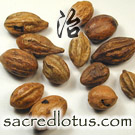
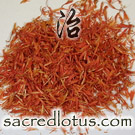
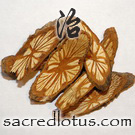
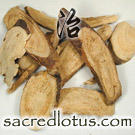
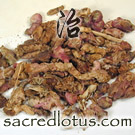
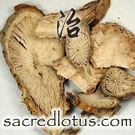
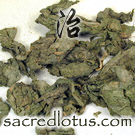


Please read — this list is not complete
While we have made every effort to catalog herb interactions, incompatibilities, and toxicities, these are deep, complex, and still-developing fields. These lists cannot be exhaustive. Cautions beyond those documented here undoubtedly exist, new ones are reported as research advances, and a herb's absence from a list is not evidence that it is safe. Treat this as a starting point for a conversation with a qualified practitioner, pharmacist, or physician — never as a final clearance.
For how we research, cross-reference, and grade the evidence behind these entries, see How we source our content .