

Zhi Zi Dou Chi Tang (Gardenia and Prepared Soybean Decoction)
Zhi Zi Dou Chi Tang
Gardenia and Prepared Soybean Decoction
- Category
- Formulas that Clear Heat
- Subcategory
- Formulas that Clear Heat from the Qi Level
- Ingredients
- 2 herbs
Actions
What does Zhi Zi Dou Chi Tang do?
Zhi Zi Dou Chi Tang clears lingering heat trapped in the chest and diaphragm and eliminates vexation (restless irritability). It is one of the simplest formulas in the Shang Han Lun canon — just two herbs — built to vent “formless” heat that lingers after a febrile (Cold Damage) illness has been sweated, purged, or vomited but not fully resolved, and that now disturbs the chest and unsettles the spirit.
The two ingredients divide by role:
- Chief: Zhi Zi (bitter, cold) drains heat and fire from the Heart and upper burner and specifically relieves vexation and irritability.
- Deputy: Dan Dou Chi (fermented soybean; sweet, slightly bitter, neutral) has a light, dispersing quality that helps vent the lingering heat outward, complementing Zhi Zi’s draining action while gently harmonizing the Stomach.
Source: this site’s own composition record (Zhi Zi + Dan Dou Chi, 9 g each) + Bensky & Barolet, Formulas & Strategies for the chief/deputy analysis — this site’s own record does not flag chief/deputy roles for this formula. Traditional-use framing; not medical advice.
Indications
What is Zhi Zi Dou Chi Tang used for?
Zhi Zi Dou Chi Tang treats lingering heat lodged in the chest and diaphragm after an unresolved febrile (Cold Damage) illness. The heat here is “formless” — not bound with phlegm, food, or blood — so it produces restless irritability and disturbed sleep rather than a fixed, painful mass.
- Core presentation: vexation and agitation (a vague, hard-to-describe mental anguish), restless insomnia with tossing and turning, and a stifling or oppressive sensation in the chest.
- Accompanying signs: a soft, non-tender epigastrium, hunger without any desire to eat, and sometimes mild residual fever.
- Related variants of the same base pattern: retching or nausea (classically treated by adding Sheng Jiang), fatigue and shortness of breath from qi deficiency (adding Gan Cao), or abdominal fullness (Zhi Zi Hou Po Tang, which substitutes Zhi Shi and Hou Po for Dan Dou Chi).
Tongue and pulse: a thin, slightly yellow tongue coating; a rapid pulse, or a pulse that is floating and rapid, or forceful at the distal (cun) position.
Source: Bensky & Barolet, Formulas & Strategies (Shang Han Lun lines 76–78, 221, 375). This site’s pattern/tongue/pulse fields were empty and have been completed from this source.
Western Uses:
What is Zhi Zi Dou Chi Tang used for in modern practice?
In modern practice Zhi Zi Dou Chi Tang is referenced for the same core presentation it was written for roughly 1,800 years ago: restless irritability and insomnia following a feverish illness or a period of stress. Practitioners have traditionally applied its heat-clearing, vexation-relieving pattern to presentations that overlap with insomnia, anxiety, and low mood, as well as to lingering low-grade fever and inflammatory chest/throat conditions where irritability and a stifling chest sensation accompany the heat.
These biomedical correlates describe the formula’s traditional use, not a claim that it treats any diagnosed disease. Current research remains preclinical (see research): animal studies link the two-herb decoction to gut-microbiota and neurotransmitter changes relevant to sleep and mood, a plausible modern echo of its classical use rather than proof of clinical efficacy. Any use for a diagnosed condition belongs with a qualified practitioner and appropriate medical care.
Source: traditional-use correlates summarized from Bensky & Barolet, Formulas & Strategies; reference only, not a treatment claim.
Ingredients
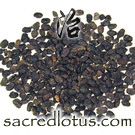
2 substances in Zhi Zi Dou Chi Tang — each links to its full herb monograph.

Preparation & dosage
How is Zhi Zi Dou Chi Tang prepared?
The classical method decocts the two herbs in sequence rather than together. Zhi Zi is simmered first in water until the liquid reduces by roughly half; Dan Dou Chi is then added and simmered briefly further, and the strained decoction is taken warm, traditionally in two divided doses.
Source: Shang Han Lun preparation method as summarized in secondary classical-formula references. Reference only; consult a licensed practitioner for individualized preparation and dosing.
Decoction, herbs added in sequence (see preparation). Reference amounts: Zhi Zi 9 g, Dan Dou Chi 9 g (per this site’s own composition record). Some secondary references give a slightly wider range for Dan Dou Chi (6-15 g). Reference only; not a prescription.
Safety — read before use
What are the cautions for Zhi Zi Dou Chi Tang?
Zhi Zi Dou Chi Tang is a cold, heat-clearing formula and is not appropriate for true Cold patterns or a weak digestion prone to loose stools. Zhi Zi’s bitter, cold nature can aggravate Spleen deficiency, so the formula is used cautiously, or avoided, in patients with chronic loose stools or a history of poor digestion. As a two-herb decoction aimed at an acute vexation/insomnia pattern, it is meant for short-term, targeted use rather than as a long-term tonic.
Discrepancy: the Shang Han Lun instructs to stop further doses if the patient vomits after taking the decoction (“若得吐者,止後服”). The Qing-dynasty Yi Zong Jin Jian tradition read this as classifying Zhi Zi Dou Chi Tang as a mild emetic formula; the physician Wang Xugao and most modern textbooks instead treat it as a pure heat-clearing formula, with the vomiting instruction read as an incidental reaction to watch for and a signal to stop dosing, not the formula’s intended action. This textbook debate is noted here rather than resolved.
Source: Bensky & Barolet, Formulas & Strategies; classical instruction from the Shang Han Lun as discussed in the Yi Zong Jin Jian / Wang Xugao commentary tradition, cross-checked via secondary formula references. Traditional-use framing; not medical advice.
Originally Appeared In:
- On Cold Damage (Shang Han Lun)
Notes:
How is Zhi Zi Dou Chi Tang modified, and how does it compare to related Zhi Zi formulas?
Zhi Zi Dou Chi Tang is the base formula for a family of Shang Han Lun variants, each adding one or two herbs to address a specific complication of the same “heat lodged in the chest” pattern.
- Zhi Zi Sheng Jiang Chi Tang: add Sheng Jiang (fresh ginger) when retching or nausea accompanies the vexation.
- Zhi Zi Gan Cao Chi Tang: add honey-fried Gan Cao when fatigue and shortness of breath point to underlying qi deficiency.
- Zhi Zi Hou Po Tang: replace Dan Dou Chi with Hou Po and Zhi Shi when abdominal or epigastric fullness and distention dominate over chest oppression — this shifts the formula toward moving qi as well as venting heat.
- Zhi Shi Zhi Zi Chi Tang: add Zhi Shi for residual heat with food stagnation during recovery from a febrile illness.
Source: Bensky & Barolet, Formulas & Strategies (Shang Han Lun variant formulas), cross-checked against secondary classical-formula references.
Clinical Studies & Research:
Is there modern research on Zhi Zi Dou Chi Tang?
Yes, though it is preclinical — recent animal studies connect this two-herb decoction’s classical use for vexation and insomnia to gut-microbiota and neurotransmitter mechanisms. Two mouse studies (2023 and 2025) used a decoction of Gardeniae Fructus and Semen Sojae Praeparatum matching this formula’s composition.
- Anxious depression (preclinical): in corticosterone- and chronic-restraint-stress mice, the decoction reduced depressive and anxiety-like behavior via modulation of the gut-microbiota–brain axis, implicating compounds such as rosiridin and oleanolic acid (PMID 37905694; PMC 11017446).
- Insomnia (preclinical): in PCPA-induced insomnia mice, the decoction improved sleep and reduced anxiety-like behavior, normalized GABA/serotonin and HPA-axis markers, and restored beneficial gut bacteria such as Ligilactobacillus (PMID 40851868; PMC 12369408).
Sources: PubMed 37905694 / PMC 11017446; PubMed 40851868 / PMC 12369408. Research context only, not a therapeutic claim; no human clinical trials of this specific formula were found.
Sources & References
Compiled and edited by Thomas Dehli, Founder & Editor, Sacred Lotus Updated
The information here is referenced from numerous sources — teachers, practitioners, class notes from Five Branches University, the books below, and the published research literature, with citations given as resolvable PubMed identifiers. Where sources disagree, I have flagged the discrepancies directly. If facts couldn't be verified, I have left them out. How we source our content.
Reference information for students and practitioners — not medical advice. Consult a qualified practitioner. Terms of use.
Chinese Formulas Books & References
 https://amzn.to/4fYI3f8
 https://amzn.to/4j55NRA
 https://amzn.to/4gMROyv
 https://amzn.to/4h7msSK