

Qing Gu San (Cool the Bones Powder)
Qing Gu San
Cool the Bones Powder
- Category
- Formulas that Clear Heat
- Subcategory
- Formulas that Clear Heat from Deficiency
- Ingredients
- 8 herbs
Actions
What does Qing Gu San do?
Qing Gu San (Cool the Bones Powder) clears heat from deficiency and relieves “steaming-bone disorder” (gu zheng) — the sensation of heat radiating up from deep within the bones that arises when Kidney and Liver yin have been consumed by a long illness or lingering pathogenic heat, leaving nothing to restrain the fire that remains.
The eight ingredients divide by role:
- Chief: Yin Chai Hu clears heat from deficiency and is specifically indicated for steaming-bone disorder, cooling blood without further drying the yin it is meant to protect.
- Deputies: Hu Huang Lian bitterly clears deficiency heat and damp-heat from the interior; Zhi Mu clears heat while moistening and nourishing yin, offsetting the drying tendency of the bitter, cold herbs around it.
- Assistants: Di Gu Pi cools the blood and clears deficiency heat, particularly from the Lung; Qing Hao and Qin Jiao vent heat outward from the yin level and clear heat from the Liver, Gallbladder, and channels; Bie Jia nourishes yin and subdues yang, and is classically described as drawing the other herbs into the yin level to root out heat hidden in the bones.
- Envoy: Gan Cao harmonizes the formula and moderates the harshness of so much bitter, cold material on the Stomach.
Source: Sacred Lotus sources & references + Bensky & Barolet, Formulas & Strategies (chief/deputy/assistant/envoy convention for Clear-Deficiency-Heat formulas). Traditional-use framing; not medical advice.
Indications
What is Qing Gu San used for?
Qing Gu San treats steaming-bone disorder from yin deficiency with vigorous heat — a pattern that develops when Kidney and Liver yin have been depleted, typically after a prolonged illness or unresolved febrile disease, and the resulting deficiency heat becomes pronounced rather than mild.
Its classic clinical presentation:
- Steaming-bone sensation (gu zheng): a chronic low-grade or tidal fever, often worse in the afternoon or evening, felt as heat seeming to steam up from deep within the bones.
- Yin-deficiency heat signs: night sweats, five-center heat (heat in the palms, soles, and chest), a dry mouth and throat, and a flushed complexion.
- Consumption: emaciation and wasting, reflecting the underlying depletion of yin and body fluids that allows the heat to persist.
Tongue and pulse: a red tongue with little coating; a thin, rapid pulse.
Source: Sacred Lotus sources & references on pattern/tongue/pulse + Bensky & Barolet, Formulas & Strategies. Traditional-use framing; not medical advice.
Western Uses:
What is Qing Gu San used for in modern practice?
In modern practice, Qing Gu San’s steaming-bone/yin-deficiency-heat pattern is referenced for lingering low-grade or tidal fevers that persist after the acute phase of an illness has passed — contexts where Western medicine recognizes a prolonged, unexplained or low-grade febrile state alongside night sweats and wasting. Historically this pattern was associated with the hectic afternoon fevers of pulmonary tuberculosis and other chronic wasting (consumptive) disease; contemporary practitioners have also applied it, alongside conventional care, to lingering post-chemotherapy/radiotherapy fever and to the night sweats and hot flashes of the yin-deficient menopausal transition.
These biomedical correlates describe the formula’s traditional use only, not a claim that it treats any diagnosed disease. Direct clinical research on the intact formula is essentially absent (see research). Any use for a diagnosed condition belongs with a qualified practitioner and appropriate medical care.
Source: traditional-use correlates summarized from Bensky & Barolet, Formulas & Strategies, and standard Clear-Deficiency-Heat formula conventions (Chen & Chen); reference only, not a treatment claim.
Ingredients
8 substances in Qing Gu San — each links to its full herb monograph.
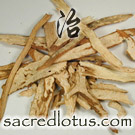 Yin Chai Hu9 gCool the Blood
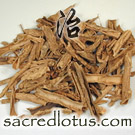 Di Gu Pi6 gCool the Blood
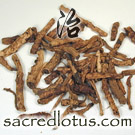 Hu Huang Lian6 gClear Heat and Dry Dampness
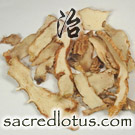 Zhi Mu6 gDrain Fire
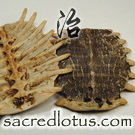 Bie Jia6 gDry FriedTonify Yin
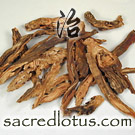 Qin Jiao6 gDispel Wind-Dampness
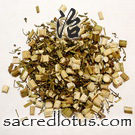 Qing Hao6 gClear and Relieve Summerheat
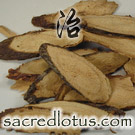 Gan Cao3 gTonify Qi
Preparation & dosage
How is Qing Gu San prepared?
Qing Gu San is prepared as a decoction (per Sacred Lotus sources & references field) despite its name — san (“powder”) reflects the classical form, but like many formulas of this type it is commonly cooked as a water decoction in practice today. Bie Jia is prepared (dry-fried, per Sacred Lotus sources & references) before adding to the pot, which softens the shell and eases extraction of its yin-nourishing constituents.
The decoction is typically taken warm, once or twice daily, for a limited course while the underlying yin-deficiency pattern is reassessed; because the formula is composed almost entirely of bitter, cold material, it is not intended for indefinite daily use without monitoring digestion. Manufactured pill forms (Qing Gu Wan) are also available for longer, lower-dose maintenance once acute steaming-bone heat has eased.
Source: Sacred Lotus sources & references on preparation/dosage + general TCM decoction conventions for shell-derived, heat-clearing formulas.
Decoction. Reference relative amounts (per Sacred Lotus sources & references): Yin Chai Hu 9 g; Zhi Mu, Hu Huang Lian, Di Gu Pi, Qing Hao, Qin Jiao, Bie Jia (dry-fried) 6 g each; Gan Cao 3 g. Reference only; adjust to age, constitution, and severity of the deficiency-heat pattern.
Safety — read before use
What are the cautions for Qing Gu San?
Qing Gu San is built almost entirely from bitter, cold, heat-clearing herbs, so it is inappropriate for anyone without a genuine yin-deficiency-heat pattern. Given to a Spleen-deficient or cold-natured patient, or used for an exterior (wind-cold/wind-heat) fever rather than deficiency heat, it can injure Spleen-Stomach yang and worsen digestion, or draw a still-unresolved exterior pathogen further inward.
- Digestive fit matters: Hu Huang Lian, Zhi Mu, and Bie Jia are heavy and cold; watch for loose stools, poor appetite, or epigastric discomfort, and modify with Spleen-supporting herbs if the formula is used for an extended course.
- Not for excess heat or exterior conditions without an underlying yin-deficiency pattern — this is a deficiency-heat formula, not a general antipyretic.
- Pregnancy: contains blood-cooling Di Gu Pi and the shell-derived softening herb Bie Jia — use only under professional guidance.
Source: Bensky & Barolet, Formulas & Strategies (cautions for Clear-Deficiency-Heat formulas). Traditional-use framing; not medical advice.
Originally Appeared In:
- Standards of Patterns and Treatments (Zheng Zhi Zhun Sheng)
Notes:
How is Qing Gu San different from Qing Hao Bie Jia Tang and Da Bu Yin Wan?
All three formulas clear deficiency heat, but they target different depths and severities of the pattern. Qing Gu San leans on venting herbs (Qing Hao, Qin Jiao) alongside heat-clearing bitters to disperse heat that has settled specifically in the bones, with only Bie Jia doing real yin-tonifying work — it suits pronounced steaming-bone heat with wasting, where venting the heat outward is as important as cooling it.
- vs Qing Hao Bie Jia Tang (Bie Jia, Qing Hao, Sheng Di Huang, Zhi Mu, Mu Dan Pi — per Sacred Lotus sources & references): this sibling formula, from Wen Bing Tiao Bian, is used when residual heat is lodged deeper in the yin level after a febrile disease, producing fever that is worse at night and recedes by morning without sweating; it tonifies yin more directly with Sheng Di Huang and cools blood with Mu Dan Pi, but omits Qing Gu San’s bone-directed Yin Chai Hu, Hu Huang Lian, Qin Jiao, and Di Gu Pi.
- vs Da Bu Yin Wan (Shu Di Huang, Gui Ban, Huang Bai, Zhi Mu — per Sacred Lotus sources & references): Zhu Danxi’s formula tonifies yin much more heavily (Shu Di Huang, Gui Ban) while directly draining deficiency fire (Huang Bai), for steadier Kidney yin-deficiency fire with night sweats, spermatorrhea, or coughing blood — a stronger tonic with less emphasis on venting heat from the bones/collaterals than Qing Gu San.
Source: Sacred Lotus sources & references for Qing Hao Bie Jia Tang and Da Bu Yin Wan + Bensky & Barolet, Formulas & Strategies (comparison of Clear-Deficiency-Heat formulas).
Clinical Studies & Research:
Is there modern research on Qing Gu San?
No dedicated clinical trials or laboratory studies on the intact Qing Gu San formula were located in PubMed/PMC searches — unlike some classical formulas, it has not been a focus of network-pharmacology or randomized-trial research to date. The available modern evidence is indirect: pharmacology on its individual heat-clearing herbs, and clinical literature on a closely related sibling formula.
- Chief herb (Yin Chai Hu): β-carboline alkaloids isolated from Stellaria dichotoma var. lanceolata inhibited nitric-oxide production in LPS-stimulated macrophages, supporting a traditional anti-inflammatory, heat-clearing use (PMID 21090796).
- Deputy herb (Hu Huang Lian): a comprehensive review of Neopicrorhiza scrophulariiflora summarizes traditional uses, phytochemistry, and pharmacology, including hepatoprotective and anti-inflammatory activity consistent with its deficiency-heat-clearing role (PMID 31586694).
- Deputy herb (Zhi Mu): a review of timosaponin AIII, the major active constituent of Anemarrhena asphodeloides, reports anti-inflammatory activity among its pharmacological effects (PMID 32581782 / PMC 7283383).
- Related formula (Qing Hao Bie Jia Tang, sharing Qing Hao, Bie Jia, and Zhi Mu): a literature review and case report describe a Qing-Hao-Bie-Jia-based formula used for defervescence of lung-cancer-related fever (Frontiers in Medicine, DOI 10.3389/fmed.2026.1717877).
Sources: PubMed 21090796; PubMed 31586694; PubMed 32581782 / PMC 7283383; Frontiers in Medicine DOI 10.3389/fmed.2026.1717877. Research context on component herbs and a related formula, not evidence for Qing Gu San itself; not a therapeutic claim.
Sources & References
Compiled and edited by Thomas Dehli, Founder & Editor, Sacred Lotus Updated
The information here is referenced from numerous sources — teachers, practitioners, class notes from Five Branches University, the books below, and the published research literature, with citations given as resolvable PubMed identifiers. Where sources disagree, I have flagged the discrepancies directly. If facts couldn't be verified, I have left them out. How we source our content.
Reference information for students and practitioners — not medical advice. Consult a qualified practitioner. Terms of use.
Chinese Formulas Books & References
 https://amzn.to/4fYI3f8
 https://amzn.to/4j55NRA
 https://amzn.to/4gMROyv
 https://amzn.to/4h7msSK